







Are You Looking for a Universal Ointment for Many Conditions? Here It Is!
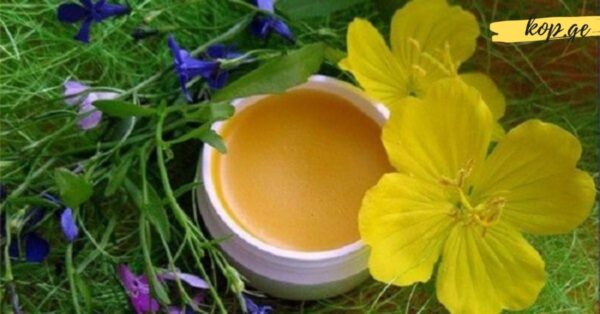
Today we would like to introduce a traditional homemade ointment recipe that has long been used in folk medicine for a wide range of everyday ailments. According to traditional sources, this ointment is considered highly versatile and easy to prepare, which is why it has remained popular across generations. Its appeal lies in its simplicity and the use of natural ingredients that are commonly available in most households.
Supporters of this remedy emphasize that using natural components is essential—not only for personal well-being, but also for the health of loved ones. While modern medicine offers many effective treatments, traditional ointments like this one are often used as supportive, external remedies during colder months or for minor discomforts.
What Is a Homemade Healing Ointment?
A healing ointment is a semi-solid mixture designed primarily for external use on the skin. In folk traditions, ointments made with oil, beeswax, and egg yolk were believed to help protect the skin, soften tissues, and support recovery from irritation, dryness, or mild inflammation.
It is important to understand that such remedies come from traditional practices and are not a substitute for professional medical care. Serious conditions, infections, or persistent pain always require medical evaluation.
Ingredients Needed
To prepare this traditional ointment, you will need:
1 tablespoon refined vegetable oil
Beeswax (approximately the size of a matchbox)
1 hard-boiled egg yolk
Each ingredient plays a specific role. Vegetable oil serves as the base, beeswax helps thicken and preserve the mixture, and egg yolk has traditionally been valued for its nourishing properties.
Preparation Method
Pour the vegetable oil into a small bowl or saucepan, preferably enamel-coated. Add the beeswax and place the container over low heat. Allow the beeswax to melt slowly, stirring gently to ensure even heating.
Once the beeswax has fully melted, finely crumble the hard-boiled egg yolk. Add a small portion of the yolk to the warm oil-and-wax mixture and stir thoroughly. Remove the mixture from heat and allow it to rest for approximately 15 minutes.
After resting, strain the mixture through a strong fabric or nylon cloth to remove any solid particles. Transfer the finished ointment into a clean glass jar with a tight-fitting lid and store it in the refrigerator.
If a more liquid consistency is needed for application, the ointment can be gently warmed using a water bath until it reaches approximately 40°C (104°F). Avoid overheating.
Traditional Uses of the Ointment (Folk Practice)
According to traditional sources, this ointment has been used in several ways. The following descriptions reflect folk usage only and do not imply medical effectiveness.
1. External Application on the Skin
The ointment is traditionally applied to areas of discomfort, such as:
Muscle and joint pain
Swelling and minor skin irritation
Dry or cracked skin
Minor burns (after cooling)
Areas affected by boils or localized inflammation
In some traditions, compresses were applied to the neck or chest for throat discomfort during cold seasons. The ointment would be gently massaged into the skin and covered with a cloth.
Important note: Never apply ointments to open wounds, severe burns, or infected areas without medical guidance.
2. Use Around the Nose or Ears (Traditional Context)
In folk medicine, warmed ointment was sometimes used externally around the nose or ears during sinus or ear discomfort.
Safety warning:
Do not place liquids or ointments inside the ears or nasal passages, especially in children. Ear and sinus symptoms should always be evaluated by a healthcare professional.
3. Internal Use (Traditional Claim – Not Recommended)
Some traditional sources describe internal use of this ointment for stomach or intestinal discomfort.
⚠️ This practice is NOT recommended, especially for children and adolescents. Ingesting homemade ointments can be unsafe and may cause harm. Modern medical standards strongly advise against internal use of such preparations.
4. Nail and Skin Care
One of the safer traditional uses of this ointment is for cosmetic care. It has been used to soften brittle nails and dry cuticles. The ointment can be gently massaged into the nails before bedtime, and cotton gloves may be worn overnight to enhance absorption.
Storage and Shelf Life
When stored in a sealed glass jar in the refrigerator, the ointment may keep for several weeks. Always check for changes in smell, color, or texture before use. If any signs of spoilage appear, discard immediately.
Important Safety Considerations
This ointment is intended primarily for external use only
Not suitable for children without professional guidance
Do not ingest
Avoid use if allergic to eggs, beeswax, or any component
Discontinue use if skin irritation occurs
Traditional remedies can be comforting and useful for minor issues, but they should never replace medical diagnosis or treatment for serious or persistent conditions.
Final Thoughts
Homemade remedies connect us to generations of traditional knowledge and emphasize care, simplicity, and self-sufficiency. This universal ointment recipe remains popular because it is easy to prepare and made from natural ingredients. Used responsibly and externally, it may serve as a gentle supportive option for skin care and comfort during colder seasons.
Listening to your body and choosing safe, informed approaches is always essential.