

Characteristic Signs of Anemia and Treatment Using Ayurvedic Methods
Anemia is a condition characterized by a decrease in the level of hemoglobin in the blood. Hemoglobin is essential for transporting oxygen from the lungs to the tissues and organs of the body. When its level drops, the body’s cells do not receive enough oxygen, which leads to fatigue, weakness, and a variety of other symptoms. Anemia may develop after acute or chronic blood loss, as a result of accelerated destruction of red blood cells, or due to impaired function of the bone marrow—the primary organ responsible for blood formation.
The development of anemia may also be associated with certain diseases, including infections and chronic inflammatory conditions. The most common forms of anemia are linked to iron deficiency in the blood. Iron is a key component of hemoglobin, and its deficiency directly affects the body’s ability to produce healthy red blood cells. As a result, anemia causes insufficient oxygen and nutrient supply to vital organs, particularly the heart and the brain, which can significantly affect overall health and quality of life.
Additional contributing factors to anemia may include improper or unbalanced nutrition, prolonged stay in poorly ventilated or stuffy environments, and excessive consumption of coffee and tea, which can interfere with iron absorption. Stressful lifestyles and inadequate physical activity may also worsen the condition.
Main Symptoms of Anemia
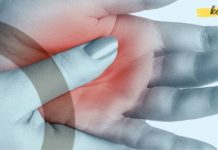
The primary signs of anemia include pale skin, dizziness, frequent chills, general weakness, and persistent drowsiness. In more severe cases, a person may experience fainting, shortness of breath, muscle cramps, and sluggish digestion. Other possible symptoms include headaches, reduced concentration, brittle nails, and cold hands and feet. Because these symptoms often develop gradually, anemia may go unnoticed for a long time if no blood tests are performed.
If the disease has not progressed too far, anemia usually responds well to treatment. Early diagnosis and timely intervention play a crucial role in recovery and prevention of complications.
The Importance of Nutrition in Treating Anemia
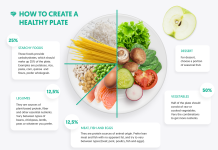
Diet plays a vital role in the management and treatment of anemia. When planning a nutritional regimen, special attention should be paid to calorie-dense and nutrient-rich foods that support blood formation. These include liver, meat, cream, butter, whole (unprocessed) milk, millet porridge, and dishes made from yellow corn. It is also recommended to include a greater amount of vegetables and yellow-colored fruits in the daily menu.
Foods such as zucchini, celery, apricots, honey, and walnuts are particularly beneficial and should be consumed as often as possible. Meals should be taken in small portions but more frequently throughout the day to support digestion and nutrient absorption. Moderate physical exercise and working or spending time in fresh air are also highly beneficial, as long as they are not overly strenuous.
Ayurvedic Perspective on Anemia
In Ayurveda, anemia is often associated with an imbalance of the doshas, particularly Pitta and Vata, and is linked to weakened digestion (Agni). Treatment focuses on restoring balance through proper nutrition, herbal remedies, lifestyle adjustments, and strengthening the digestive system. Natural foods and herbs are used to nourish the blood (Rakta Dhatu) and improve overall vitality.
Traditional and Folk Remedies for Anemia
Below are several traditional remedies that have been used in folk and Ayurvedic-inspired practices to support the treatment of anemia. These are presented for informational purposes and should be used with appropriate medical guidance.
Boil one cup of oats in three cups of water for 20 minutes. Drink one cup twice a day.
Consume fresh cornelian cherry fruits, or drink fresh dandelion (parsley may also be used in some traditions) juice, one tablespoon three times a day, 20 minutes before meals. Additionally, eat 100 grams of grated carrot mixed with sour cream or vegetable oil every morning on an empty stomach. Grated carrots cooked in milk are also considered beneficial.
Mix nettle leaves and birch leaves in equal proportions. Pour 300 ml of boiling water over two tablespoons of the mixture and let it steep for three hours. Strain and drink throughout the day in 2–4 portions. The recommended course is 3–4 weeks.
For children suffering from anemia, bread or crispbread made from dried and powdered plantain leaves has traditionally been considered beneficial. (Any dietary treatment for children should be supervised by a healthcare professional.)
Drink rosehip infusion three times a day, and regularly include boiled beets in your diet, as they are known to support blood health.
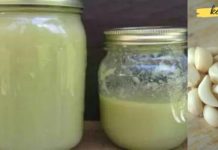
Garlic is considered one of the most effective natural remedies for anemia and atherosclerosis. It may be included regularly in food. Traditional texts also describe garlic tinctures prepared with alcohol; however, such preparations are intended only for adults, should be used with caution, and require medical approval. Non-alcoholic forms of garlic are generally preferred.
Another traditional mixture includes garlic juice combined with lemon juice, taken in small amounts diluted in water before sleep. Such remedies are described in folk medicine as supportive for overall vitality, with noticeable improvement often reported after 10–12 days. Again, these are adult remedies and should be approached responsibly.
Final Notes
Anemia is a manageable condition when addressed early and holistically. Proper nutrition, fresh air, physical activity, and supportive traditional practices can significantly improve overall well-being. However, anemia may also be a symptom of an underlying medical issue, so professional diagnosis and treatment are essential.
We wish you good health, strength, and vitality.