







Here’s how to make hand sanitizer at home
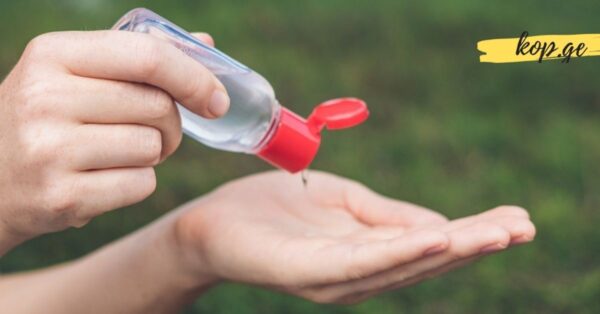
With the spread of viruses, the demand for antiseptics skyrocketed, and many stores ran out of them, just like medical masks. It is well established that thoroughly washing your hands and treating them with a disinfectant prevents the transfer of harmful microorganisms. However, soap and water are not always available. What happens if you are standing in line at a café, holding onto a public transport handrail, or pushing a shopping cart in a supermarket, which thousands of hands touch every day? For people who cannot wash their hands frequently, antibacterial gels, also called hand sanitizers, are a convenient solution.
Most commercially available hand sanitizers contain either ethyl or isopropyl alcohol, chlorhexidine, and other antimicrobial compounds. To reduce the drying effect of alcohol on the skin, many formulas include natural oils, aloe vera extract, and vitamin E. These additives help maintain skin moisture while still providing strong disinfectant properties. Hand sanitizers can be bought at pharmacies or supermarkets, but you can also make your own at home. By choosing the right base ingredients and natural fragrances, you can create a sanitizer that is not only effective but also pleasant to use.
The World Health Organization (WHO) has provided guidelines for preparing a simple alcohol-based hand sanitizer at home. According to these guidelines, you will need:
833 ml of ethyl alcohol
42 ml of hydrogen peroxide
15 ml of glycerin
100–120 ml of sterile water
Preparation instructions:
Combine all ingredients in a clean container.
Mix thoroughly to ensure even distribution.
Store the solution in an airtight container. For convenience, transfer the finished sanitizer into smaller bottles with dispensers for easy use.
While alcohol-based hand sanitizers are highly effective at killing germs, frequent use can dry out the skin. Over time, this may lead to cracks and make the skin more susceptible to irritation. To prevent this, emollients such as aloe vera gel, glycerin, or essential oils can be added to the formula.
Making a moisturizing and antibacterial hand sanitizer:
Ingredients:
160 ml of alcohol
80 g of aloe vera gel
Any essential oils of your choice
A clean container and a bottle for storing the finished product
Instructions:
Take a clean mixing bowl and pour in the alcohol.
Add the aloe vera gel to the same container. This will give the final product a thick, gel-like consistency and protect your hands from drying out due to pure alcohol.
Add about 10 drops of one or more essential oils. The best choices are oils with antimicrobial properties, such as peppermint, cinnamon, eucalyptus, clove, lavender, or rosemary.
Gently mix all ingredients until smooth and uniform.
Pour the finished sanitizer into a clean plastic bottle, preferably one with a pump dispenser or narrow neck, making it easy to apply to your hands.
Over time, some ingredients may settle at the bottom of the bottle. If this happens, simply shake the bottle a few times before use to redistribute the contents evenly.
Usage tips:
Make sure the sanitizer covers the entire surface of your hands. For an adult, about 3 ml of gel is usually sufficient.
Rub the sanitizer over your hands for at least 30 seconds to ensure it kills all harmful microbes.
If you use hand sanitizer frequently, apply a hand cream afterward to prevent dryness and maintain healthy skin.
Keep hand sanitizers out of reach of young children, as the alcohol content is toxic if ingested.
Hand sanitizers are a highly effective preventive measure against infectious diseases. However, they should be used wisely. Overuse can destroy not only harmful bacteria but also beneficial bacteria that help protect your body. Always maintain good hand hygiene in combination with regular washing with soap and water when available.
Making your own hand sanitizer at home not only saves money but also allows you to customize it to your preferences. You can choose natural scents, add moisturizing ingredients, and ensure that your sanitizer is free from unnecessary chemicals. This DIY approach is especially useful during times when store-bought supplies are limited, and it ensures that you always have access to a reliable disinfectant.
By using homemade hand sanitizer properly, you can protect yourself and others from viruses and bacteria while keeping your skin healthy and moisturized. Remember, hand hygiene is one of the simplest and most effective ways to prevent the spread of infections, especially in public spaces or when soap and water are not readily available.
Conclusion:
Maintaining clean hands is critical for preventing disease transmission. Home-made hand sanitizers, made with alcohol, aloe vera, glycerin, and essential oils, provide a safe, effective, and customizable option. By following simple preparation steps and using the product correctly, you can protect yourself and your family from infections while avoiding skin irritation caused by commercial products. This DIY solution empowers you to take control of your hygiene, particularly in situations where handwashing is not possible.