


Information About High Blood Pressure That You Absolutely Need to Know
High blood pressure, or hypertension, is a common health issue that many people encounter at some point in their lives. While it may seem harmless at times, even slightly elevated blood pressure should not be ignored, as it can lead to serious complications over time. High blood pressure affects the cardiovascular system, increasing the risk of heart disease, stroke, kidney problems, and other health issues. Understanding how to monitor, prevent, and manage it is crucial for maintaining overall health.
Understanding Ideal Blood Pressure
Many people regularly measure their blood pressure at home, which is a great habit. However, few know what their ideal blood pressure should be, especially since it changes with age. Blood pressure readings consist of two numbers: systolic (the top number) and diastolic (the bottom number). The systolic pressure measures the force of blood against artery walls when the heart beats, while the diastolic pressure measures this force when the heart is resting between beats.
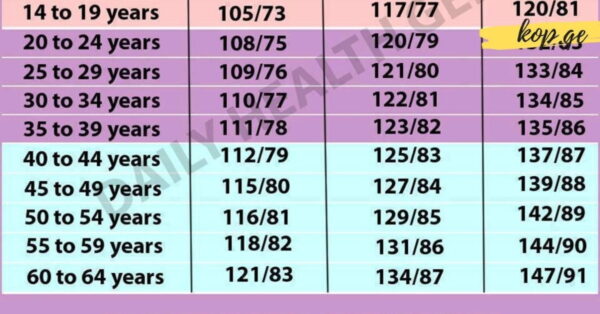
For adults, the general guideline for healthy blood pressure is around 120/80 mmHg. However, as we age, slightly higher readings may be considered normal. Below is a simplified guide based on age:
20–39 years: 120/80 mmHg
40–59 years: 130/85 mmHg
60+ years: 140/90 mmHg
These numbers are approximate, and individual factors such as overall health, activity level, and preexisting conditions can influence what is considered ideal.
How to Measure Blood Pressure Correctly
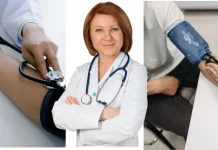
Proper blood pressure measurement is essential to get accurate results. Many people make the mistake of measuring their blood pressure immediately after physical activity or stress, which can give falsely high readings. To measure your blood pressure correctly at home:
Rest before measuring: Sit quietly for at least 5–10 minutes. Avoid strenuous activities, such as exercising, lifting, or walking just before measurement. Reading should be taken in a calm, relaxed state.
Proper posture: Sit upright with your back supported and feet flat on the floor. Your arm should be supported at heart level.
Use the right cuff: Make sure the blood pressure monitor fits your arm properly. Too small or too large a cuff can lead to inaccurate results.
Avoid distractions: Do not measure while talking, eating, or using your phone. Focus solely on the measurement.
Take multiple readings: Measure blood pressure two or three times, one minute apart, and record the average.
Regular monitoring allows you to detect changes early and take preventive steps before complications arise.
Preventing High Blood Pressure
High blood pressure can often be prevented through lifestyle changes. Maintaining a healthy routine not only reduces your risk of hypertension but also improves overall cardiovascular health. Here are some key strategies:
1. Balanced diet:
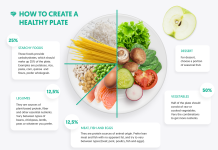
A diet rich in vegetables, fruits, lean proteins, whole grains, and healthy fats is essential. Foods high in sodium, sugar, and saturated fats should be limited, as they contribute to elevated blood pressure. Include potassium-rich foods like bananas, spinach, and sweet potatoes, as potassium helps balance the negative effects of sodium. Omega-3 fatty acids from fish and seeds also support heart health.
2. Maintain a healthy weight:
Excess body weight strains the heart and arteries, increasing blood pressure. Even losing a small amount of weight can have a significant effect on lowering blood pressure. Combining a balanced diet with regular exercise is the most effective approach.
3. Exercise regularly:
Engaging in at least 150 minutes of moderate-intensity exercise per week—such as walking, cycling, swimming, or yoga—helps strengthen the heart and lower blood pressure. Physical activity also improves blood circulation, reduces stress, and supports overall wellness.
4. Limit alcohol consumption:
Moderate alcohol consumption may be acceptable, but excessive drinking increases blood pressure and can damage the heart and liver. Women should limit to one drink per day and men to two drinks per day.
5. Avoid smoking:
Nicotine and other chemicals in cigarettes damage blood vessels and raise blood pressure. Even occasional smoking can increase the risk of cardiovascular problems. Quitting smoking improves heart and vessel health almost immediately.
6. Manage stress:
Chronic stress contributes to elevated blood pressure. Techniques such as deep breathing, meditation, spending time outdoors, and hobbies can help reduce stress levels. Ensuring adequate sleep also plays a critical role in blood pressure regulation.
7. Monitor regularly:
Regular home monitoring or doctor visits help track your blood pressure trends over time. Early detection allows for timely interventions.
The Importance of Early Action
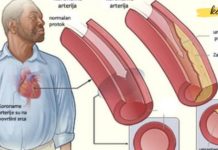
Ignoring high blood pressure can lead to serious health complications. Hypertension often has no obvious symptoms, which is why it is sometimes called a “silent killer.” Untreated, it can cause heart attacks, strokes, kidney disease, and vision problems. By taking preventive steps and monitoring your blood pressure, you can protect your cardiovascular health and significantly reduce risks.
Conclusion
High blood pressure is a manageable condition, provided it is detected early and treated with lifestyle modifications. Maintaining a balanced diet, exercising regularly, avoiding smoking and excessive alcohol, and managing stress are all crucial steps in prevention. Home monitoring helps ensure you remain aware of your health status. Remember, ideal blood pressure varies by age, so familiarize yourself with what is considered healthy for your stage of life.
Implementing these preventive measures not only helps reduce high blood pressure but also improves overall well-being. By taking small, consistent actions, you can significantly enhance your quality of life and reduce the risk of serious cardiovascular diseases.
High blood pressure is not just a number—it is an indicator of your heart’s health. Treat it seriously, follow healthy habits, and stay informed. Your heart and overall health will thank you for it.
Kop.ge provides tips and advice on health, self-care, and daily life. Their goal is to share natural remedies and practices that help improve well-being, boost beauty, and simplify everyday tasks—all from home, saving time and money.