







Breathing Technique That Will Help You Recover Quickly from Viral Illnesses
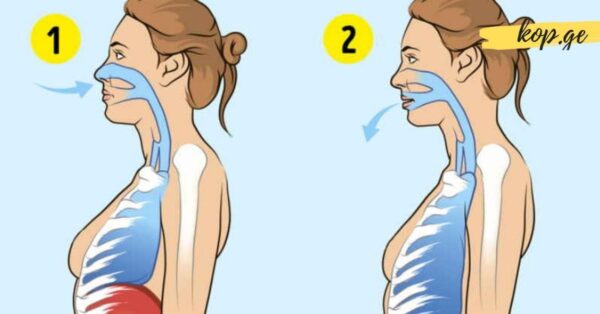
A doctor in London recently recommended a breathing exercise designed to make breathing easier during viral infections and respiratory illnesses. Dr. Mun emphasizes that one of the most important factors for recovery is ensuring the lungs are fully supplied with oxygen-rich air. This breathing technique can help patients both as part of treatment during illness and as a preventative measure to maintain overall respiratory health.
How to Perform the Technique
Start by taking five deep breaths, holding each breath for five seconds. Exhale six times slowly, making sure to clear the throat and cover the mouth while exhaling. Repeat this sequence for two more sets. Afterwards, lie face down on a sofa or bed, and for comfort, place a small pillow under your chest or head. Continue deep breathing for ten minutes, focusing on filling and emptying your lungs completely.
This deep breathing technique helps clear all sections of the respiratory tract, even those that might otherwise be under-ventilated. Most of the lung tissue is located near the back. When lying flat on your back, some areas of the lungs can become blocked, which may increase the risk of secondary pneumonia and slow recovery.
Many patients find it uncomfortable to sleep on their backs. To make breathing easier during recovery, you can use elevated pillows under your head or adopt a slightly forward-leaning seated position. This position helps prevent lung compression and improves airflow.
It is important to note that this exercise is not suitable for everyone. Pregnant women, or individuals with dry, non-productive coughs, should not perform it without medical guidance. Therefore, consulting a doctor before starting this technique is essential.
Benefits of Deep Breathing
This technique helps relieve symptoms of respiratory infections and can enhance lung function. By breathing through the nose, the inhaled air is naturally warmed and humidified, which makes the cough more productive and improves clearance of mucus. After three to four sessions, take a short break to avoid hyperventilation or dizziness. Drinking a few sips of water can also help regulate uncontrolled coughing during the exercise.
Deep breathing promotes lung expansion and helps the lungs recover after infections. Over time, regular practice can improve overall respiratory function, making breathing more efficient and supporting better oxygen delivery to the body.
Additional Breathing Exercises for Lung Health
1. Pursed-Lip Breathing
This technique helps keep the airways open and is especially useful for people with sedentary lifestyles who rarely use their respiratory muscles. It’s simple and can be performed anytime.
Sit upright with your shoulders relaxed. Inhale slowly and deeply through your nose, then exhale through pursed lips, as if blowing through a straw. The exhalation should be twice as long as the inhalation. For example, inhale for five seconds and exhale for ten seconds. If necessary, shorten the timing initially.
2. Diaphragmatic Breathing
Also known as belly breathing, this exercise strengthens the diaphragm, allowing for deeper and more efficient breathing.
Sit upright or lie on your back with one hand on your chest and the other on your abdomen. Inhale through your nose for two seconds, feeling your abdomen rise. Exhale for two seconds while gently pressing on your stomach to expel air completely. Repeat several times, focusing on slow, controlled movements.
Recommendations for Maintaining Lung Health
Strengthening and improving lung function is far easier than attempting to treat severe damage. Doctors recommend the following preventative measures:
Avoid smoking and stay away from secondhand tobacco smoke or other airborne irritants.
Include antioxidant-rich foods in your diet, such as dark chocolate, red cabbage, legumes, beets, berries, and spinach. These foods support lung health and reduce inflammation.
Engage in regular exercise, which helps expand lung capacity and improves circulation.
Ensure proper ventilation in your living spaces. Use air filters if possible and maintain cleanliness through regular dusting and wet cleaning.
By following these exercises and recommendations, you can enhance your respiratory system’s resilience, recover faster from infections, and improve your overall health.
Daily practice of these breathing techniques not only aids in faster recovery from viral illnesses but also strengthens the lungs over time, making it easier to maintain optimal respiratory function and reduce susceptibility to future infections. Even a few minutes each day can make a significant difference in your energy levels, immunity, and overall well-being.