



Symptoms of Blood Clots: How to Know if You Have One
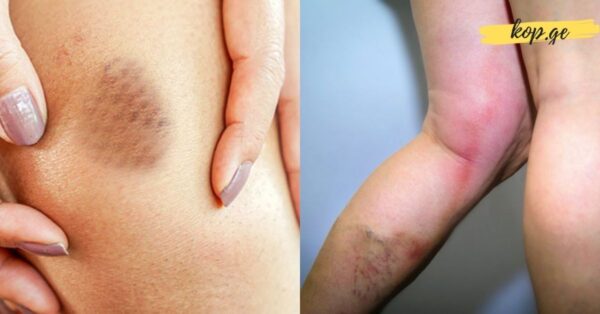
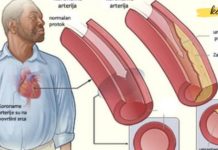
Blood clots, also known as thrombi, can form in the arteries or veins of the human body for various reasons. When they develop in arteries, they can restrict oxygen flow to the heart, lungs, or brain, leading to life-threatening emergencies such as heart attacks or strokes. Similarly, blood clots in the veins, which return blood to the heart, can cause serious health problems over time. Recognizing the warning signs of a clot early greatly increases the chances of receiving urgent medical care, which can be critical for survival.
It’s important to note that not all blood clots produce obvious symptoms. In some cases, a clot may develop quietly, showing very mild or even no immediate signs. However, being aware of potential symptoms and risk factors can make a significant difference.
Symptoms by Body Area
Arms and Legs
When a clot forms in a deep vein in the arm or leg, it is called Deep Vein Thrombosis (DVT). DVT is particularly dangerous because the clot can travel to the lungs, causing a pulmonary embolism, which is life-threatening.
You are at higher risk for DVT if you are sedentary for long periods, such as after surgery or during long flights. Watch for these warning signs:
Swelling: The affected arm or leg may swell noticeably where the clot has formed.
Color changes: Redness, bluish discoloration, or darkened skin may appear on the limb.
Pain: Discomfort can range from mild, dull aches to sharp, stabbing pain. The pain may appear in the leg, calf, thigh, arm, or even the abdomen.
Warmth: The skin around the affected vein may feel warmer than the surrounding areas.
Leg cramps: Clots in the lower leg can cause sudden, painful cramps, often at night.
Tender veins: Veins may be sensitive to touch, and pressing them could worsen discomfort.
If you notice any of these symptoms, seek immediate medical attention. Prompt treatment is essential to prevent the clot from moving to the lungs or heart.
Heart
A clot near the heart can trigger a heart attack, which requires urgent intervention. Key symptoms include:
Severe chest pain or pressure, sometimes radiating to the arms, neck, jaw, or back
Shortness of breath or difficulty breathing
Sudden, excessive sweating
Nausea or vomiting
Lightheadedness or dizziness
Heart-related clots can escalate quickly, so any combination of these symptoms should prompt calling emergency services immediately.
Lungs
A blood clot that travels to the lungs is known as a pulmonary embolism (PE). This is a medical emergency that can be fatal without swift treatment. Symptoms of a pulmonary embolism include:
Sudden shortness of breath or difficulty breathing
Sharp chest pain, often worsening with deep breaths
Coughing, sometimes with blood
Excessive sweating
Dizziness or fainting
If you suspect a pulmonary embolism, seek emergency care immediately.
Brain
Clots in the arteries leading to the brain can cause strokes or transient ischemic attacks (TIAs). Causes may include fatty deposits on arterial walls or injury to the head. Symptoms to watch for include:
Sudden numbness or weakness, especially on one side of the body
Trouble speaking or understanding speech
Severe headaches with no clear cause
Vision problems, including blurred or double vision
Confusion or difficulty concentrating
Loss of balance or coordination
Recognizing these symptoms early and seeking immediate medical attention is critical to minimize brain damage.
Abdomen and Digestive Tract
Blood clots can also affect the gastrointestinal system, causing digestive symptoms such as:
Severe abdominal pain, sometimes worsening after eating
Nausea or vomiting
Diarrhea or blood in the stool
Bloating or a feeling of fullness
These symptoms may overlap with other digestive disorders, but persistent or severe abdominal discomfort warrants a medical evaluation to rule out clot-related complications.
Risk Factors
Certain conditions and behaviors increase the risk of blood clot formation:
Prolonged immobility (long flights, bed rest, post-surgery recovery)
Obesity
Smoking
High blood pressure or cholesterol
Family history of blood clots
Hormone therapy or birth control pills
Certain chronic diseases, including cancer or heart disease
Awareness of these factors, along with careful monitoring for symptoms, can help prevent serious complications.
Prevention and Early Detection
Preventing blood clots is often possible through lifestyle adjustments and medical guidance:
Stay active: Regular movement, even short walks, helps blood circulation.
Hydration: Drinking enough water prevents blood from thickening.
Compression stockings: Can improve circulation in legs for those at high risk.
Medication: For individuals with a high risk of clots, doctors may prescribe anticoagulants.
Regular check-ups: Monitoring blood pressure, cholesterol, and overall health can help identify risk factors early.
Early detection and timely medical intervention are key. If you notice any warning signs, don’t wait—contact a healthcare provider immediately.
Conclusion:
Blood clots can form silently or with noticeable symptoms depending on their location and size. Knowing the warning signs for clots in the arms, legs, heart, lungs, brain, and digestive system can be lifesaving. High-risk individuals should take preventative measures seriously and maintain regular communication with healthcare professionals. Remember, recognizing symptoms early and acting promptly can significantly reduce the risk of severe complications like heart attacks, strokes, or pulmonary embolisms.
Must-watch: If your nerves are on edge and you don’t know what to do, we share essential tips to protect your health and prevent emergencies.
This expanded explanation emphasizes understanding the different symptoms, locations, and risk factors of blood clots, while offering practical guidance on prevention and urgent response.