







Get Rid of Bursitis with Home Remedies! These Tips Will Help You!
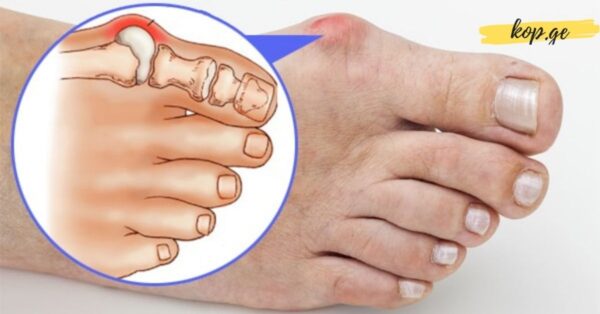
Bursitis, particularly the painful deformity that often forms near the big toe, is a condition that affects many women. It is not only an aesthetic concern—causing the feet to appear misshapen—but also a source of discomfort, especially when wearing shoes. The condition can make daily activities, walking, or even standing for long periods quite uncomfortable. Fortunately, there are several ways to manage and reduce bursitis symptoms using natural, home-based remedies.
Understanding Bursitis
Bursitis occurs when the joint near the big toe becomes inflamed and begins to protrude outward. The hard lump that develops is often painful, especially if tight or improper footwear is worn. There are several causes for this condition:
Tight or ill-fitting shoes: Footwear that squeezes the toes or lacks support can exacerbate the problem.
Poor diet: Nutritional deficiencies and excessive salt intake can contribute to inflammation and joint issues.
Genetics: Some people inherit a predisposition to develop bunions.
Flat feet or structural foot problems: Abnormal foot mechanics can increase pressure on the toe joint.
Rheumatism and other inflammatory conditions: Chronic inflammation in the body may worsen bursitis.
Traditionally, orthopedists recommend corrective devices, such as splints or toe separators, to alleviate pressure and gradually realign the toe. In severe cases, surgical intervention may be necessary. However, there are effective home remedies that can reduce pain, decrease swelling, and even help correct the deformity over time.
Home Remedies for Bursitis
Here are some proven home-based methods to relieve the pain and reduce the bunion over time:
1. Detoxify Excess Salts from the Body
Excess salt accumulation can worsen inflammation and swelling around the joints. To help cleanse your body, try the following:
Take 1 tablespoon of crushed bay leaves and pour 300 ml of water over them.
Bring the mixture to a boil and let it simmer for 5 minutes.
Pour the infusion into a thermos and leave it overnight.
Strain it in the morning and drink the liquid throughout the day.
Repeat this process for three consecutive days, and you can repeat the course after one week. This remedy helps reduce inflammation and swelling while gently flushing excess salts from your system.
2. Bay Leaf and Alcohol Poultice
For a more targeted effect on the affected joint, this method can provide noticeable results within two months:
Take 5 bay leaves and pour 100 ml of vodka over them.
Let the mixture sit for one week, shaking it occasionally.
Before bed, soak your feet in warm, soapy water to soften the skin and joints.
Apply the bay leaf-alcohol mixture to the bunion and cover the area with a cloth or gauze.
Put on socks and leave the poultice overnight.
This remedy works by promoting circulation, reducing stiffness, and softening the tissues around the joint.
3. Aspirin and Iodine Compress
Another effective home remedy combines aspirin’s anti-inflammatory properties with iodine’s stimulating effect:
Crush 5 aspirin tablets and dissolve them in 10 ml of iodine.
Rub this mixture gently onto the bunion area.
This combination can help reduce pain and inflammation and improve local blood flow to the joint.
4. Iodine Lines for Pain Relief
A simple yet effective method to reduce discomfort is using iodine directly on the bunion:
Using a cotton swab, draw lines of iodine across the affected area before bedtime.
Repeat this treatment daily for 30 days.
Iodine penetrates the skin and provides a mild warming effect, which can ease pain and reduce inflammation over time.
5. Iodine and Lemon Juice
For an enhanced anti-inflammatory effect, try combining iodine with lemon juice:
Mix iodine and fresh lemon juice in a 1:1 ratio.
Massage this solution gently onto the bunion area.
Lemon juice provides a natural acidic environment that can reduce swelling, while iodine supports circulation and stimulates healing.
Tips for Managing Bursitis at Home
In addition to the remedies above, you can support the health of your feet through lifestyle and daily habits:
Wear comfortable shoes: Shoes with a wide toe box and adequate support can prevent additional pressure on the joint.
Maintain a healthy weight: Excess body weight puts additional strain on the feet and toes, exacerbating bunion formation.
Perform foot exercises: Stretching and strengthening exercises can improve toe alignment and relieve discomfort.
Avoid prolonged standing: If possible, take breaks to relieve pressure on the affected joint throughout the day.
Dietary considerations: Reduce intake of salt and processed foods, and increase consumption of anti-inflammatory foods such as turmeric, ginger, and leafy greens.
Why Home Remedies Work
Natural remedies often focus on reducing inflammation, improving blood circulation, and gently correcting structural issues without causing side effects. While surgical options can be effective, home methods are safe, cost-effective, and accessible to most people. Regular application and consistency are key to seeing tangible results.
Final Thoughts
Bursitis may be uncomfortable and visually unappealing, but with patience and diligence, it is possible to manage the condition effectively at home. By using these natural remedies, combined with proper footwear and a healthy lifestyle, you can significantly reduce pain, swelling, and even improve toe alignment.
Remember, if pain persists or worsens, consult a medical professional to ensure there are no underlying conditions requiring advanced treatment. These home remedies are meant to complement professional care and maintain foot health naturally.
By following these tips and remedies, you can not only relieve bursitis symptoms but also improve overall foot comfort, mobility, and health. Share this knowledge with friends and family—they too can benefit from these simple yet effective methods.