





Be Careful When Buying Garlic! Some Garlic Can Be More Harmful Than Beneficial
Garlic has long been known as a powerful natural product with numerous health benefits. For centuries, it has been used to strengthen the immune system, help prevent and treat colds, and support overall health. Garlic contains antioxidants and sulfur-based compounds that are believed to have a positive effect on the circulatory system and heart function. In addition, this remarkable food is often associated with helping to lower cholesterol levels and supporting the body’s natural defense mechanisms.
Because of these well-known benefits, garlic is widely consumed around the world and is considered a staple ingredient in many cuisines. Some people grow garlic in their own gardens and feel confident that their produce is high-quality, natural, and free from harmful substances. However, the majority of consumers purchase garlic from markets, grocery stores, or supermarkets—often without knowing where it comes from or how it has been processed.
When Garlic Becomes Harmful
While garlic itself is undeniably beneficial, its health value can be significantly reduced—or even reversed—depending on its origin and the methods used in its production and preservation. In some cases, garlic can be more harmful than helpful, particularly when it is imported and heavily processed.
According to available statistics, garlic imported from China currently accounts for up to 80% of the garlic supplied to stores and supermarkets in many countries. It can also frequently be found in open markets. At first glance, this garlic may appear ideal: it is very white, firm to the touch, and uniform in size. Every bulb looks almost identical, making it visually appealing to consumers.
However, behind this perfect appearance lies a different reality. Such garlic is often treated with various chemical substances designed to extend shelf life, prevent spoilage, and maintain its outward appearance. These treatments may negatively affect human health when the garlic is consumed regularly over time.
Why Chinese Garlic Lasts So Long
One of the most noticeable characteristics of imported garlic is that it does not rot, sprout, or darken for a very long time. Under normal conditions, natural garlic stored in a warm room will eventually begin to sprout, much like onions or potatoes stored in a basement. If it does not sprout, it will typically begin to dry out or rot.
With some imported garlic, neither of these natural processes occurs. This is because such garlic may be treated with gamma irradiation or other preservation techniques. These methods are used to kill bacteria and prevent sprouting, allowing the garlic to survive long-distance transportation and extended storage periods.
While these treatments help preserve the product visually, they may reduce its nutritional value and raise concerns for consumers who prefer natural, minimally processed foods. For people who consume garlic specifically for its health benefits, this is an important consideration.
How to Distinguish Imported Garlic from Local Garlic
There are several visual and physical clues that can help you tell imported garlic apart from locally grown or naturally produced garlic.
First, imported garlic is often unusually light for its size. It may feel almost hollow compared to denser, locally grown bulbs. Second, it is extremely uniform in appearance—every bulb looks nearly identical in size, shape, and color. Natural garlic, by contrast, tends to vary in size and form.
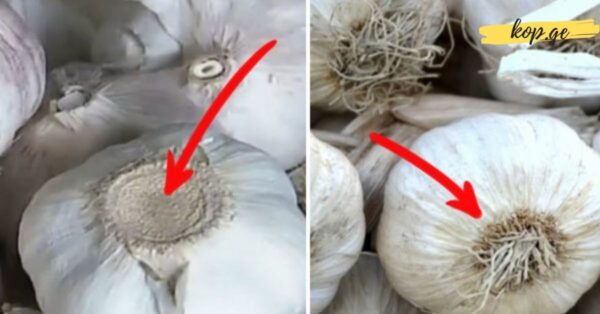
One of the most important external signs is the root. In imported garlic, the root is often completely cut off, leaving a perfectly smooth base. Locally grown garlic usually has visible root remnants or roughness at the bottom, indicating that it has not been excessively processed.
Additionally, imported garlic often lacks a strong aroma. Natural garlic typically has a rich, pungent smell that becomes noticeable as soon as the bulb is broken or peeled.
Why Quality Matters
Paying close attention to the quality of the food you consume is essential. Your overall health, energy levels, and long-term well-being depend heavily on the products you choose to eat every day. Garlic is often consumed for medicinal purposes—to strengthen immunity, support heart health, and fight infections. If the garlic you are using is heavily treated with chemicals, the intended health benefits may be reduced or even replaced by unwanted side effects.
The goal of using garlic as a natural remedy should never turn into a source of potential harm or toxicity. This is why being informed and selective when purchasing garlic is so important.
If this is the first time you have encountered this information and you found it useful, consider sharing it with friends and family. Raising awareness helps others make more informed choices and encourages healthier consumption habits.
Making Better Choices
Whenever possible, choose locally grown garlic or buy from trusted farmers who can confirm how their produce is grown and stored. Farmers’ markets are often a good place to find fresh, seasonal garlic with minimal processing. If buying from a store, take a moment to inspect the bulbs carefully and avoid those that look unnaturally perfect.
Even small changes in shopping habits can make a meaningful difference in your overall health. Choosing natural, high-quality products allows you to enjoy the true benefits of garlic without unnecessary risks.
Must See: Red onion is also considered one of the best natural antibiotics and may provide additional health-supporting properties when included in a balanced diet.