







Regulate Your Blood Circulation Using the Following Methods! Essential Information for Everyone

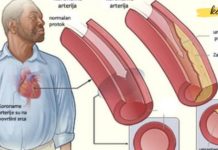
Disruptions in healthy blood circulation can lead to a wide range of physical discomforts and long-term health issues. One of the most common and noticeable signs of poor circulation is constantly cold hands and feet. While this symptom may seem minor at first, it often indicates that blood is not flowing efficiently through the body. Fortunately, there are several effective and natural ways to support and improve blood circulation, many of which can be easily incorporated into daily life.
Maintaining balanced blood circulation is essential for delivering oxygen and nutrients to organs and tissues, supporting brain function, maintaining energy levels, and keeping the cardiovascular system healthy. Below are some widely recognized methods and natural substances that may help improve circulation and overall well-being.
Water
Adequate hydration plays a crucial role in maintaining healthy blood circulation. When the body does not receive enough water, blood can become thicker, making it more difficult for it to circulate efficiently. This can place additional strain on the heart and blood vessels and may contribute to feelings of fatigue, cold extremities, and reduced concentration.
To support proper circulation, it is generally recommended to drink approximately 1.5 to 2 liters of water throughout the day, depending on individual needs, physical activity levels, and climate. Drinking water regularly helps maintain optimal blood volume, supports detoxification processes, and contributes to overall cardiovascular health.
Cayenne Pepper
Cayenne pepper has been known since ancient times for its stimulating properties. Traditionally, it has been used to enhance blood flow and support circulation, particularly in the pelvic area. Cayenne pepper contains capsaicin, a compound believed to help dilate blood vessels and improve blood movement throughout the body.
In addition to its circulation-supporting properties, cayenne pepper has been associated with increased metabolic activity and improved digestion. When used in moderation, it may help warm the body from the inside and reduce the sensation of cold hands and feet caused by poor circulation.
Ginkgo (Latin: Ginkgo biloba)
Ginkgo biloba is one of the most well-known plants used to support circulation, especially in the brain. It is commonly available in capsule or tablet form and is widely used as a dietary supplement.
Ginkgo is believed to help improve blood flow to the brain, supporting memory, focus, and mental clarity. For this reason, it is often used by people who experience dizziness, poor concentration, or mental fatigue. By supporting cerebral circulation, ginkgo may also contribute to overall neurological health.
Horse Chestnut
Horse chestnut extract is widely used in many European countries and is especially valued for its benefits in conditions related to poor venous circulation. It has traditionally been used to help manage issues such as varicose veins and chronic venous insufficiency.
Horse chestnut is believed to strengthen blood vessel walls, improve venous tone in the lower limbs, and reduce symptoms such as heaviness, pain, swelling, and fatigue in the legs. By enhancing circulation and reducing fluid retention, it may help alleviate discomfort associated with prolonged standing or sitting.
Ginger
Ginger, particularly in its dried powder form, has long been used in traditional medicine systems, especially in India. High-quality ginger powder without additives is considered especially beneficial and versatile.
Regular inclusion of ginger in the diet is believed to support digestive health, improve blood circulation in the brain, and protect against certain intestinal disorders. Ginger’s warming properties may help stimulate blood flow and reduce stiffness in the body. Additionally, it is often associated with anti-aging benefits, as it may help slow down certain degenerative processes in the body when consumed consistently as part of a balanced diet.
Fish Oil
Fish oil is rich in omega-3 fatty acids, which are known to support cardiovascular health. It is commonly used to help address leg pain and discomfort associated with poor circulation.
Omega-3 fatty acids may help reduce inflammation, improve blood vessel flexibility, and support smoother blood flow. Fish oil can be obtained either through regular consumption of fatty fish (such as salmon, mackerel, or sardines) or through high-quality supplements. Regular intake may contribute to healthier circulation and reduced discomfort in the lower extremities.
Garlic
Garlic is one of the most widely used natural ingredients for supporting blood circulation. It is believed to help improve blood flow both in the brain and in the extremities. As a result, regular consumption of garlic may help reduce the persistent cold sensation in the hands and feet.
In addition to its circulation-supporting properties, garlic is well known for its immune-boosting and antimicrobial effects. It has been used for centuries as a natural remedy to support heart health and overall vitality.
Final Thoughts
Improving blood circulation does not always require complex treatments or medications. Often, small lifestyle changes and the inclusion of natural supportive ingredients can make a noticeable difference. Staying hydrated, maintaining a balanced diet, and using traditional circulation-enhancing foods and supplements may help restore warmth, energy, and comfort to the body.
However, it is important to remember that persistent circulation problems may be a sign of an underlying medical condition. Anyone experiencing ongoing symptoms such as numbness, pain, swelling, or severe coldness in the limbs should consult a healthcare professional for proper evaluation and guidance.