






Folk Remedies for Sciatic Nerve Discomfort: A Traditional Method Many People Consider Helpful
In the modern era, when computer technology dominates our routines and a sedentary lifestyle has become common, many people experience different kinds of neurological discomfort. Sitting for long periods, especially without proper posture or movement breaks, may contribute to tension, stiffness, and disruptions in nerve pathways. Within this context, one of the complaints that people frequently discuss—particularly in traditional households—is inflammation or irritation associated with the sciatic nerve. Folk traditions often view this as one of the most uncomfortable conditions due to the size, length, and importance of the nerve involved.
Understanding the Sciatic Nerve in a Traditional Context
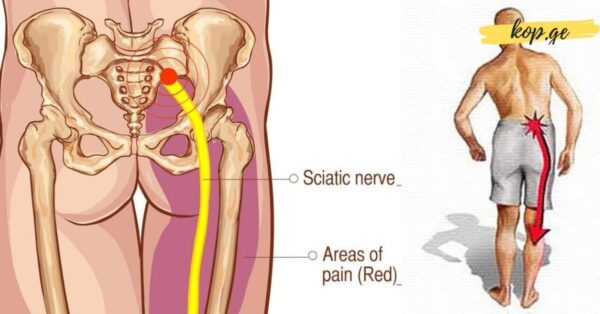
The sciatic nerve is recognized as the largest and longest nerve in the human body. It originates from the sacral plexus, located deep within the pelvis, and travels downward through the gluteal region, extending along the back of the thigh. Eventually, it divides into two major branches in the lower leg: the tibial and common peroneal nerves, which are responsible for different movements and sensations of the leg and foot. Because of its extensive pathway, discomfort connected with this nerve can feel particularly intense and may seem to spread from the lower back all the way down the leg.
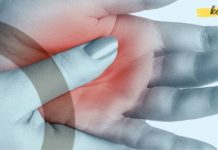
In traditional explanations, the sciatic nerve is viewed not just as an anatomical structure, but as a vital channel that supports movement, balance, and physical vitality. Folk descriptions often portray irritation of this nerve—sometimes referred to as “radiculitis” in colloquial language—as a deeply unpleasant condition. People typically describe sharp, radiating, or burning sensations that may begin in the lumbar area and travel downward. While modern medical professionals would classify these descriptions under various causes of sciatic pain, folk practices historically responded with home-based methods thought to soothe the discomfort.
Folk Approaches to Sciatic Nerve Discomfort
Folk medicine traditions across many cultures include a wide variety of natural recipes and homemade techniques intended to ease nerve-related discomfort. These methods are not substitutes for professional medical care, but they hold cultural value and are often passed down through generations. Among the many traditional practices, one remedy that frequently appears in stories and shared advice involves the use of bay leaves to create a warm herbal infusion.
The Bay Leaf Decoction: A Traditional Preparation
One commonly mentioned method begins with a simple recipe featuring bay leaves, an aromatic herb long valued in cooking and traditional rituals. According to folk tradition, preparing a decoction involves taking five bay leaves and adding them to pre-boiled water—typically around 300 milliliters per liter, depending on household custom. The mixture is then placed over low heat and simmered for about five minutes. The simmering process is believed to help release the fragrance and herbal properties of the leaves.
After the five-minute simmer, the warm mixture is commonly poured into a thermos, where it rests for three to four hours. This steeping phase is thought to strengthen the infusion. Once the mixture has settled, it is traditionally strained. The resulting liquid is consumed in small sips over the course of approximately two hours. Folk practice suggests repeating this three-day cycle, though again, these are traditional beliefs rather than medically validated instructions.
A Note of Traditional Caution
In folk narratives, people often include personal observations or warnings associated with using bay leaf decoctions. It is sometimes mentioned, for example, that bay leaves may be connected with feelings of mild weakness when consumed in these preparations. In such cases, people are advised in traditional stories to have a small amount of sweet food on hand. These cautions come from shared community experience rather than scientific testing, and they highlight the way folk medicine blends practical household knowledge with herbal tradition.
Traditional Reflections on Bay Leaf
Bay leaf has a long history in many cultures, not only as a cooking ingredient but as a plant used in symbolic and healing rituals. Folk accounts often attribute numerous qualities to bay leaf preparations, including calming, soothing, aromatic, and cleansing effects. Traditional uses describe bay leaf in the context of easing discomfort from muscle tension, supporting relaxation, or helping soothe certain types of aches. In some cultural stories, bay leaf is associated with treatments for general paralysis, facial nerve weakness, colic, or joint pain.
Bay leaf oil also appears in many folk texts, often mentioned as something applied to relieve head or ear discomfort or as a gentle support for liver-related unease. In various forms of traditional medicine, bay leaf preparations were used in cases of rheumatic discomfort, gout, and nerve tension. Again, these uses belong to the realm of cultural history and are not recognized clinical treatments today. They provide insight into how earlier generations interpreted wellness and how natural ingredients played a central role in home care.
Related Traditional Beauty Practices
In many communities, herbal remedies and natural treatments for physical discomfort are shared alongside beauty tips. A commonly referenced example is the egg-based facial mask, praised for its firming qualities. These homemade solutions represent an approach to self-care that favors simplicity, affordability, and the use of familiar kitchen ingredients.
A Broader View of Folk Knowledge
Folk remedies, including those for sciatic nerve discomfort, reflect a broader cultural tradition that values natural materials, home preparation, and personal experience. Many people find comfort in these rituals, not only because of the ingredients themselves, but because the act of preparing them creates a sense of connection—between generations, between home and nature, and between mind and body. Although such practices should not replace modern medical diagnosis or treatment, they remain an important part of cultural heritage and continue to be shared for their symbolic and experiential value.