







Forget the cough! How to help your lungs feel clearer after smoking in just three days…
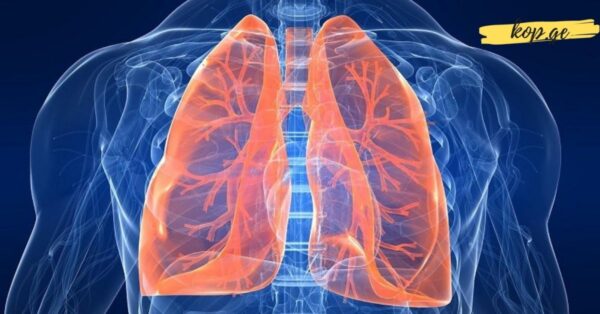
Smoking is, for many people, a voluntary choice—one that often begins casually but slowly turns into a difficult habit to control. If you have managed to free yourself from this temptation and protect your health, that is truly admirable. But what about those who fully understand the dangers of smoking and still struggle to quit? Always remember this: if your lungs had the ability to vote, they would never choose cigarettes.
When the lungs are exposed to smoke for long periods of time, harmful substances accumulate and may contribute to health problems in the long run. That is why supporting your lungs—whether you currently smoke, are trying to quit, or have recently stopped—can be a valuable act of self-care. Even if these methods cannot erase all the effects of smoking, they can help you feel better, breathe easier, and strengthen your commitment to healthier habits.
Below is a three-day gentle wellness routine that many people use to support their respiratory system. It is not a medical treatment, but rather a natural approach to helping your body feel refreshed.
How can you support lung cleansing naturally?
Two days before starting the routine, remove dairy products from your diet. Dairy itself is not harmful, but some people find that heavy foods make them feel more congested. Reducing them temporarily may help your body feel lighter and reduce the internal workload while you focus on wellness.
On the evening before Day 1, drink one teapot of warm herbal tea—preferably a blend that supports digestion. A healthy digestive system can make your entire body feel more energized and prepared for cleansing practices.
Over the next three days, follow the steps below. These habits will not “detox” your lungs in a literal medical sense, but they can support hydration, antioxidant intake, and overall wellbeing—three things your body always appreciates.
1. Start each morning with lemon water
Before breakfast, squeeze the juice of two lemons into 300 ml of warm water. Lemon juice is rich in vitamin C and antioxidants, which support your immune system and help your body combat oxidative stress caused by smoking. The sharp, refreshing acidity can also stimulate digestion and help you begin the day with a sense of clarity.
2. Enjoy carrot juice between breakfast and lunch
Between your morning meal and lunch, drink 400 ml of fresh carrot juice. Carrots contain beta-carotene, a precursor to vitamin A, which supports the normal functioning of mucous membranes, including those in the respiratory system. Many people also find carrot juice delicious and energizing, helping them cut back on processed snacks or cigarettes throughout the day.
3. Choose a potassium-rich lunch
At lunchtime, eat foods rich in potassium to support overall vitality. You may choose:
a light compote made from dried fruits,
yogurt mixed with whole dried apricots,
or yogurt with prunes.
Potassium helps maintain fluid balance and supports the nervous system—something especially important for people trying to reduce smoking, since nicotine withdrawal can create stress or irritability. Light, nutrient-dense meals also prevent the sluggish feeling often triggered by heavier dishes.
4. Drink berry juice in the evening
Before going to bed, drink 400 ml of blueberry juice made from frozen berries. Blueberries are rich in antioxidants, which may support the body in fighting inflammation. If you don’t have blueberries, pomegranate juice is also a good option and is known for its high polyphenol content. These nutrients help your body protect itself from free radicals accumulated during smoking.
The soothing, slightly sweet taste of berry juice can also replace the evening cigarette that many smokers crave, making it an excellent habit during any attempt to quit.
5. Take a warm bath daily
For the three days of this routine, take a warm bath each evening for at least 20 minutes. Warm water relaxes the muscles, opens the pores, and promotes circulation. Many people also find that warm baths calm the mind, reduce stress, and make it easier to sleep—an essential part of overall health.
6. Visit a sauna if possible
If you have access to a sauna, even a short session can help you sweat more intensively. Sweating is one of the body’s natural mechanisms for temperature regulation, and many people associate it with a feeling of cleansing and lightness. A sauna also relaxes the airways and may help you breathe more freely, although you should avoid it if you have cardiovascular conditions or any medical restrictions.
7. Finish the day with steam inhalation
The final and perhaps most traditional step is inhalation. Place your face over a pot of steaming hot water and drape a towel over your head to trap the vapor. For an enhanced experience, add 10–15 drops of eucalyptus oil. Eucalyptus has a strong, refreshing aroma that many people feel helps open the airways and soothe the throat.
Breathe deeply for several minutes, allowing the warm steam to moisten your nasal passages and loosen any mucus. This simple practice can be surprisingly calming and helps promote a sense of clear breathing before sleep.
8. Combine all steps consistently
By following these eight steps over three days, you create a short yet powerful ritual of self-care. While these practices cannot undo the long-term effects of smoking, they can encourage healthier habits, reduce discomfort, and help you reconnect with your body.
A final note
If you want to improve your health, strengthen your immunity, or quit smoking altogether, routines like this can be a helpful start. But remember: for specific medical concerns, chronic cough, or difficulty breathing, always consult a healthcare professional. Your wellbeing deserves knowledgeable attention and personalized care.