







Bay leaves are often called the food of the gods. Their remarkable beneficial properties fully justify this name.
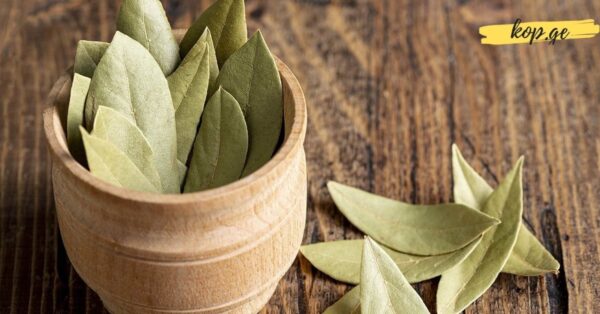
For me, bay leaves carry the warmth of pleasant childhood memories. I can still picture my grandmother’s kitchen—filled with steam, comfort, and the rich aroma of her homemade soup. In every bowl she served, a dark green bay leaf floated gently on the surface like a tiny boat. Back then, I never questioned why she added it. I simply accepted it as part of the recipe, unaware of the hidden qualities wrapped inside this aromatic leaf. Only later did I learn that bay leaves are far more than a seasoning: they are a wholesome, healing food with a history that stretches back to ancient times.
Today, let’s take a closer look at this extraordinary leaf and the many ways it can support our health and everyday well-being.
The Properties of Bay Leaves
Bay leaves are powerful allies of the digestive system. They help stimulate the production of enzymes, saliva, and gastric juices, all of which contribute to efficient digestion. In this sense, bay leaves work similarly to dried cloves—they awaken and support the body’s natural processes.
If you are thoughtful about your diet, it is important to understand something fundamental: it’s not only what we eat that matters, but how well our body absorbs it. Even the healthiest food is of little use if the digestive system struggles to break it down. This is where bay leaves offer remarkable support. By strengthening the digestive fire, they help ensure that nutrients are absorbed more effectively.
In addition, bay leaves are rich in essential oils and beneficial phytochemicals. These natural compounds give the spice its distinctive aroma and also contribute to its therapeutic effects. For centuries, healers have relied on these oils to aid digestion, soothe discomfort, and promote overall balance within the body.
Bay leaves can even be used directly, not only cooked. Like cloves, they may be slowly chewed. A small piece can be chewed gently and then swallowed. When used in the evening, bay leaves can act as a mild calming agent, easing tension and preparing the mind for rest. They also have mild analgesic (pain-relieving) properties, which is why they appear in so many traditional remedies.
Nutritional Richness
Bay leaves contain an impressive range of trace minerals—manganese, calcium, copper, and iron among them. They are also a natural source of vitamins A, B, and C. All of these nutrients are vital for energy production, immune function, skin health, and maintaining the strength of bones and blood.
To get the most out of bay leaves, it is essential to choose a high-quality product. Leaves produced in Greece, Turkey, Georgia, and Azerbaijan are considered especially flavorful and effective. When buying bay leaves in bulk, examine them carefully: the leaves should not be pale, broken, or crumbling. Good-quality bay leaves are flexible, have a strong natural aroma, and retain their deep green color.
Always check the expiration date, too. Six months after opening, bay leaves begin to lose their potency and fragrance. When that happens, it is better to replace them with a fresh supply. Store them in a cool, dark place to preserve their essential oils for as long as possible.
Uses Beyond Cooking
Interestingly, bay leaves are not only eaten—they are sometimes burned. Many people believe that their spicy, slightly sweet aroma can relieve stress after a difficult day and help overcome insomnia. The soothing scent is known to create a peaceful atmosphere that clears the mind.
Bay leaves also have a strong presence in folk medicine. They are used for preparing ointments, balms, compresses, and tinctures. These remedies are believed to reduce inflammation, ease muscle pain, and support joint mobility. In beauty care, bay leaf infusions are often used to strengthen hair, reduce scalp irritation, and restore shine.
The versatility of bay leaves is one of the reasons they have been cherished for thousands of years, from ancient temples to modern kitchens.
A Word of Caution
Despite their many benefits, bay leaves should not be consumed in large quantities. Excessive use can cause unwanted side effects, and there are specific situations in which bay leaves should be avoided altogether—for example, during pregnancy or breastfeeding. Because of this, anyone planning to add bay leaves to their daily wellness routine should consult a doctor, especially if they have existing medical conditions.
Sharing Experience and Tradition
If you have been using bay leaves for health or preventive purposes for a long time, consider sharing your experience with others. Traditional wisdom is passed down through real stories—just like the memories I inherited from my grandmother, whose soups still live vividly in my mind. Many people are discovering natural remedies again, and your insights might help someone take their first step toward a healthier lifestyle.
Bay leaves may be small and unassuming, but they carry centuries of knowledge and healing within them. Whether you add them to your meals, prepare a warm infusion, or use them as part of a calming ritual, their benefits reach far beyond flavor. In many ways, they truly deserve to be called “the food of the gods.”