









Pain in the Shoulders and Back – How Bay Leaves Were Used in Our Ancestors’ Traditional Practices
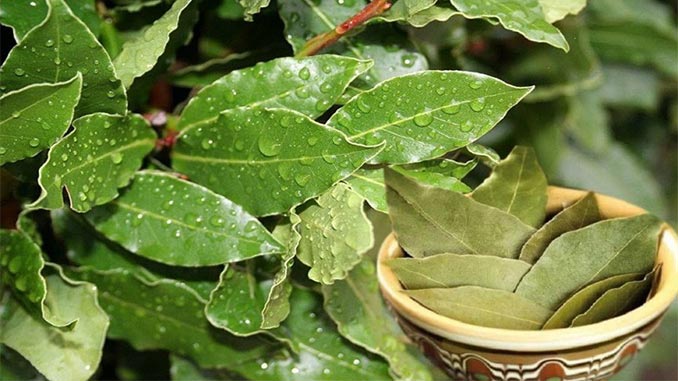
Pain in the shoulders and back is not a modern problem; it has accompanied human labor, cold climates, heavy loads, and emotional strain throughout history. Long before clinics, physical therapy, or ergonomic chairs existed, communities depended on the natural world to soothe the body. Among the many plants valued for their comforting properties, bay leaves—aromatic, evergreen leaves of the Laurus nobilis tree—held a special place. In various traditional cultures, including those of the Caucasus, the Mediterranean, and the Middle East, bay leaves symbolized purification, warmth, protection, and gentle relief from physical tension.
This article explores how our ancestors used bay leaves for shoulder and back discomfort, how these practices were believed to work, and what meaning the rituals carried—while keeping in mind that these are historical traditions rather than proven medical treatments.
Bay Leaves as a Warming, Circulation-Stimulating Plant
Traditional healers often described back and shoulder pain as a result of “cold settling in the body,” “blocked wind,” “stagnant blood,” “tension knots,” or “exhausted strength.” While these descriptions reflect symbolic or intuitive language rather than physiology, they shaped how remedies were selected.
Bay leaves were considered:
Warming – believed to “chase out cold” from stiff muscles
Aromatic and cleansing – thought to clear negative energies and emotional heaviness
Aiding circulation – used to stimulate warmth and flexibility in tense areas
Relaxing – the scent was said to calm the body and mind
For communities who relied on manual labor—farming, weaving, carrying water, chopping wood—these qualities made bay leaves a valued household remedy.
Bay Leaf Compresses for Shoulder and Back Tension
One of the most widespread traditional applications was the warm bay leaf compress.
How it was traditionally prepared
A handful of fresh or dried bay leaves was simmered in water for 10–15 minutes.
A cloth was dipped into the aromatic liquid, wrung out, and applied warm to the sore area.
Sometimes the leaves themselves—softened by boiling—were placed inside the cloth.
The compress was left on the back or shoulders for 15–20 minutes, often repeated once or twice a day.
What people believed it did
Healers described the warm infusion as something that:
“Opened the channels”
“Released trapped tension”
“Softened tight muscles”
“Pulled out cold and heaviness”
Although these explanations follow symbolic folk understanding, the combination of heat, moisture, and gentle herbal aroma likely contributed to relaxation—similar to how modern warm compresses reduce perceived stiffness.
Bay Leaf Oil as a Traditional Massage Remedy
Another method involved bay-infused oil, commonly prepared with olive, sunflower, or walnut oil.
Traditional preparation
Bay leaves were placed in a glass jar.
Oil was poured over them, filling the container.
The mixture was left in a warm corner or sunny windowsill for 10–14 days, shaken occasionally.
The aromatic oil was strained and stored.
Traditional uses
The resulting oil was massaged onto:
stiff shoulders
the upper back
the lower back after long workdays
joints affected by cold or “old winds”
Massage itself has always been therapeutic across cultures. The bay-scented oil added warmth and fragrance that enhanced a sense of comfort.
Steam Rituals and Bay Leaf Baths
Steam was another important component of ancestral healing. Even today, some bathhouses and saunas burn bay leaves for their aroma.
Bay leaf steam
People would boil a pot of water with bay leaves, then either:
lean over the steam to warm the upper back and shoulders, or
place the pot in a small enclosed space (a corner of a sauna or a small room) to gently inhale the aroma.
The warmth was thought to “loosen tightness” and “awaken the blood.”
Bay leaf baths
For deeper relaxation, bay leaves were added to bathwater. This practice was especially common after heavy farm work or during cold seasons when muscles stiffened easily.
Symbolic and Protective Meaning of Bay Leaves
Beyond their physical uses, bay leaves held ritual value.
In some traditions:
They symbolized cleansing and protection from misfortune.
They were burned to “clear” the home of stagnant energy.
A few leaves were placed under pillows to “ease the heart” and reduce stress.
Because shoulder and back pain were often associated with emotional burdens, people believed that bay leaves—through their symbolic power—could help relieve heaviness “carried on the back.” Even if symbolic, the emotional comfort provided by such rituals has cultural significance.
Why These Remedies May Have Felt So Comforting
While these practices are not medical treatments, several factors likely contributed to the relief people experienced:
1. Heat therapy
Warm compresses and baths naturally relax tight muscles.
2. Gentle massage
Massage increases blood flow and eases muscle stiffness, regardless of the oil used.
3. Aromatherapy effect
The rich, spicy scent of bay leaves can be soothing for the senses.
4. Rest and ritual
Taking time to prepare compresses or oils created a moment of rest—something valuable for overworked bodies.
5. Cultural reassurance
Belief in the remedy’s effectiveness can enhance perceived relief.
Traditional Wisdom, With Modern Caution
It is important to remember:
These practices belong to folk medicine, not clinical treatment.
Severe, chronic, or sudden pain should be evaluated by a healthcare professional.
Some people may be sensitive to herbal oils or hot compresses.
Bay leaf preparations should never be applied to broken skin.
Used responsibly, these traditional rituals can still serve as comforting, non-harmful home practices, similar to modern herbal baths or warm compresses.
Conclusion
Bay leaves have a long and meaningful history in the care of shoulder and back discomfort. Our ancestors saw them not merely as kitchen spices but as companions that soothed tired muscles, warmed the body, and lifted emotional burdens. Whether used in warm compresses, infused oils, aromatic steams, or symbolic rituals, bay leaves played a gentle role in traditional healing practices.
Although we now understand pain through the lens of anatomy and medicine rather than symbolic “cold” or “blocked winds,” the essence remains the same: people have always sought warmth, comfort, and relief. The traditional use of bay leaves is a testament to the ingenuity of past generations, who turned to nature for support in their daily hardships.