








The Healing Power of Chamomile: How It Is Used to Reduce Inflammation
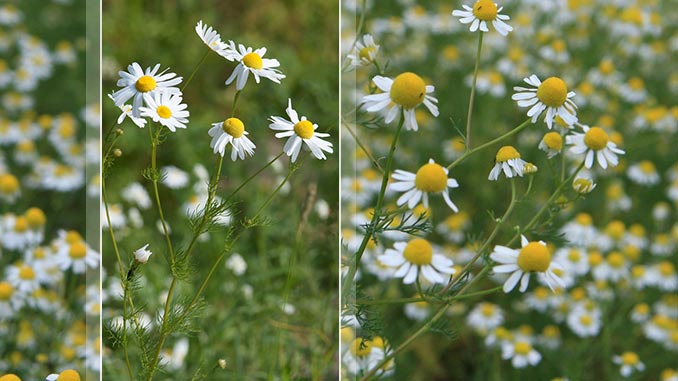
Chamomile has been cherished for centuries across the globe as one of the most accessible and versatile herbs in traditional medicine. Known for its delicate white petals, golden centers, and soothing fragrance, chamomile (Matricaria chamomilla or Chamaemelum nobile) has earned a reputation as a natural helper for relaxation, digestion, skin care, and, notably, inflammation. While modern medicine offers powerful anti-inflammatory drugs and treatments, chamomile continues to hold a place in folk and herbal practices as a gentle, supportive plant.
It is important to clarify that the concept of using chamomile to reduce inflammation comes largely from traditional and observational experiences rather than rigorous clinical proof. Chamomile should not replace medical advice or prescribed treatment for inflammatory conditions. However, exploring how it has been used historically offers insight into cultural herbal practices and its continued popularity today.
A Historical Perspective on Chamomile
Chamomile has a long-standing presence in European, Middle Eastern, and even Asian herbal traditions. Ancient Egyptians referred to chamomile as a plant dedicated to the gods of the sun and medicine, using it for fever and skin conditions. In Europe, it became a staple in medieval herbalism, often recommended for digestive issues, headaches, and general vitality.
Traditional healers valued chamomile primarily for its calming effects, which extended to both the body and the mind. Many folk practitioners noticed that people who consumed chamomile preparations often reported reduced discomfort in irritated tissues, whether in the digestive tract, skin, or joints. These observations gradually shaped the widespread belief that chamomile could “reduce inflammation” and support the body’s natural balance.
Why Chamomile Is Associated with Anti-Inflammatory Effects
Several characteristics of chamomile make it particularly noteworthy in traditional herbal medicine:
1. Soothing Compounds in the Plant
Chamomile contains naturally occurring bioactive compounds such as flavonoids and terpenoids. Folk healers recognized the calming and “cooling” effect of chamomile on the body, describing it as a plant that could ease redness, swelling, or discomfort. In modern times, some laboratory studies have explored how these compounds interact with inflammatory pathways, but the traditional appreciation is primarily experiential.
2. Versatility of Use
Chamomile can be used in a variety of ways: as a tea, infusion, tincture, essential oil, or topical compress. This flexibility allowed traditional healers to apply chamomile to multiple issues, from skin irritations and digestive inflammation to muscle aches.
3. Gentle Nature
In folk medicine, plants were often classified as “strong” or “gentle.” Chamomile belongs to the gentle category, making it suitable for regular use without harsh side effects. Its mild character contributed to its reputation as a safe, supportive herb.
Common Traditional Methods of Using Chamomile
Traditional uses of chamomile are remarkably consistent across cultures, reflecting its versatility and reliability in folk practice.
• Chamomile Tea
The most common method, chamomile tea is made by steeping dried flowers in hot water. People traditionally drank it to calm the digestive system, soothe discomfort, and promote relaxation. In the context of inflammation, warm chamomile tea was believed to ease irritation internally and support overall wellness.
• Topical Chamomile Applications
Chamomile infusions or poultices were applied to irritated skin, minor burns, rashes, and swollen areas. Folk healers noticed that gentle, repeated application could reduce redness and calm discomfort, creating a sense of relief for the user.
• Chamomile Tinctures and Extracts
Alcohol or glycerin-based tinctures allowed traditional practitioners to create concentrated preparations that could be used both internally and externally. Tinctures were often part of broader herbal formulas aimed at balancing bodily functions and supporting recovery from minor inflammatory conditions.
• Aromatherapy and Steam
Chamomile flowers were sometimes used in steam inhalation or infused in oils for massage. Inhaling chamomile steam or applying chamomile oil was believed to have a soothing effect on tissues and promote comfort in tense or inflamed areas.
• Combination with Other Herbs
Traditional practitioners often combined chamomile with other calming or anti-inflammatory herbs, such as calendula, lavender, or peppermint, to enhance its effects. These combinations reflect the folk understanding that synergy between herbs could provide greater relief.
Modern Perspectives on Chamomile and Inflammation
In recent decades, scientific interest has grown in chamomile’s bioactive components. Laboratory studies suggest that certain flavonoids and volatile oils in chamomile may interact with pathways related to inflammation, oxidative stress, and skin irritation. While these studies are promising, chamomile remains primarily a supportive botanical rather than a standalone treatment for inflammatory conditions.
People today commonly use chamomile tea or topical chamomile products for mild irritation, stress relief, and general well-being. Its appeal lies not only in its gentle properties but also in the comforting ritual of preparation—steeping flowers for tea or applying a warm chamomile compress.
Safety and Considerations
While chamomile is generally considered safe for most people, there are important considerations:
People with allergies to plants in the daisy family (Asteraceae) should exercise caution.
Chamomile may interact with certain medications, particularly blood thinners or sedatives.
Pregnant or breastfeeding individuals should consult a healthcare professional before regular use of concentrated chamomile products.
Folk practitioners often emphasized moderation, repeating that herbal remedies should complement healthy habits rather than replace medical advice.
Conclusion
Chamomile’s reputation as an herb for reducing inflammation is rooted in centuries of cultural practice, observation, and hands-on experience. From soothing digestive discomfort to calming skin irritations, chamomile has served as a gentle, supportive companion in traditional medicine. While modern science continues to investigate its biochemical properties, the plant’s historical and cultural significance remains clear: chamomile embodies the human desire for natural, accessible remedies that provide comfort, balance, and a sense of well-being.
Whether sipped as a warm tea, applied as a gentle compress, or included in a thoughtful herbal blend, chamomile continues to connect modern users with the wisdom of folk medicine. Its enduring presence in kitchens, herbal collections, and wellness routines around the world is a testament not only to its gentle effectiveness but also to the rich traditions that have celebrated this simple, yet powerful, flower for generations.