







Hawthorn Tincture for the Heart — What Do Traditional Healers Say?
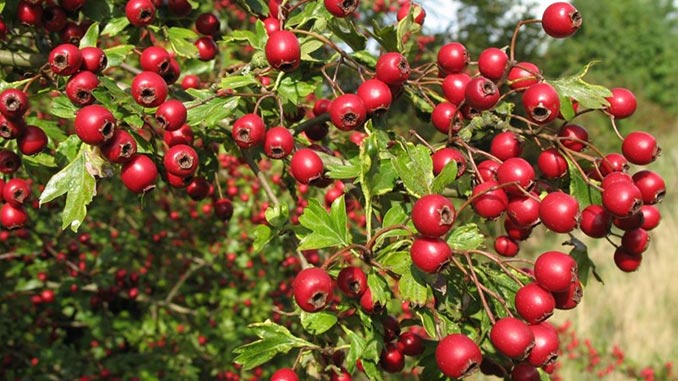
For generations, hawthorn has been one of the most respected plants in European and Asian folk traditions. Known for its delicate white or pink blossoms and bright red berries, hawthorn (Crataegus) carries a long history as a botanical associated with emotional balance, vitality, and general heart well-being in traditional healing systems. While modern medicine relies on precise diagnosis and evidence-based treatments, traditional healers have often viewed hawthorn tincture as a gentle, supportive companion on the path to overall wellness.
It is important to clarify from the beginning that hawthorn tincture is not a medical treatment and should not replace professional care. Instead, this article explores the cultural, historical, and folk-medicine perspectives surrounding hawthorn and why traditional practitioners have valued it for centuries.
A Long History Rooted in Tradition
Hawthorn’s connection to the heart is more than poetic—it’s embedded in centuries of folklore. In many cultures, hawthorn symbolized protection, love, and emotional strength. Because of these symbolic associations, traditional healers often described hawthorn as a plant that “comforts the heart,” both literally and figuratively.
The use of hawthorn berries and blossoms in tonics, teas, and tinctures appears in numerous historical herbals. Folk practitioners observed that people who consumed mild hawthorn preparations often reported feelings of calmness, relaxation, and balanced energy. Over time, this reinforced the idea that hawthorn supported heart well-being—an interpretation passed down across generations.
Why the Tincture Form Became Popular
While hawthorn can be taken as tea or eaten as jam in some regions, the tincture form became especially common in folk medicine for several reasons:
1. Convenience and Preservation
Tinctures, being alcohol-based extracts, stay fresh for long periods. Traditional healers appreciated that a bottle of hawthorn tincture could last throughout the year, especially in rural areas where access to fresh berries was seasonal.
2. Concentrated Flavor and Aroma
Folk healers believed that extracting the plant in alcohol helped draw out its essence. Although they did not use scientific language, they valued the richness and depth of a tincture compared to a simple tea.
3. Small Doses, Simple Use
Tinctures were usually taken in small, diluted amounts, making them easy to incorporate into daily habits. A few drops in water or tea became part of morning or evening routines.
Again, these practices describe tradition rather than medical necessity, but they show why hawthorn tincture gained such long-lasting popularity.
How Traditional Healers Viewed Hawthorn
When asked what makes hawthorn special, many traditional practitioners emphasize three themes:
• Emotional Balance
Traditional healers often described hawthorn as an herb that “softens worry” or “calms the inner wind.” These poetic expressions refer to emotional tension, restlessness, and the sense of being overwhelmed. Hawthorn’s association with emotional balance may be one reason it became linked with heart wellness—not in a medical sense, but in the symbolic and emotional sense common in folk healing.
• Gentle Support
In herbal tradition, some plants were viewed as “strong” or “aggressive,” while others were “gentle.” Hawthorn was firmly in the gentle category. Its mild nature made it suitable for long-term, low-intensity use in folk practices, especially for individuals seeking overall balance and vitality.
• Circulation and Warmth (in folk-theory terms)
Traditional herbal systems often used metaphors like “warming,” “opening,” or “strengthening” to describe how a plant felt in the body. Hawthorn was thought to promote a sense of warmth and flow—ideas connected to circulation in folk interpretations.
These descriptions are metaphorical, rooted in cultural language rather than scientific explanation, but they help us understand hawthorn’s place in traditional healing.
Forms and Recipes in Folk Practice
Although tincture is the focus, hawthorn was—and still is—used in several different forms in folk traditions. These include:
• Hawthorn Tincture
Prepared by soaking berries or flowers in alcohol for several weeks. The resulting extract is reddish, slightly bittersweet, and aromatic.
• Hawthorn Tea
Made from dried berries or blossoms. The tea has a mild, fruity aroma and was often consumed during times of emotional stress or seasonal changes.
• Hawthorn Syrups and Jams
In some cultures, hawthorn berries were boiled with honey or sugar to create tonics enjoyed for their taste and traditional associations with heart nourishment.
• Combination Remedies
Traditional healers often blended hawthorn with herbs such as lemon balm, motherwort, or mint to create calming and balancing mixtures.
These uses varied from region to region, but the symbolic connection to emotional equilibrium and vitality remained consistent.
Modern Curiosity and Responsible Perspective
In recent years, hawthorn has attracted scientific interest, largely because of its historical use. While research is ongoing and not conclusive, this curiosity mirrors the respect hawthorn has enjoyed in folklore.
Many people today choose hawthorn tea or mild tinctures not as treatments, but as part of:
daily wellness rituals
relaxation habits
mindfulness or stress-reduction routines
connections to traditional or cultural practices
This modern usage is generally about lifestyle rather than medical application.
It is important to emphasize that those with diagnosed heart conditions, high blood pressure, or other cardiovascular issues should always consult a qualified medical professional before consuming concentrated herbal extracts, including tinctures. Traditional practices can accompany a healthy lifestyle, but they cannot replace medical guidance or treatment.
What Traditional Healers Say Today
Even in modern times, herbalists and folk practitioners continue to appreciate hawthorn for the same reasons their predecessors did:
its gentle character
its symbolic association with the heart
its calming, grounding presence
its long history as a comforting botanical
They often recommend it not as a cure, but as a supportive botanical that complements a balanced lifestyle.
Conclusion
“Hawthorn tincture for the heart” is a phrase that echoes centuries of folk wisdom, cultural symbolism, and traditional practice. While not a medical solution, hawthorn continues to be cherished for its gentle character, soothing nature, and deep roots in herbal heritage. Traditional healers see it as a plant that supports balance—emotional, symbolic, and energetic. Its endurance through time is a testament not only to the plant itself but also to the human desire for natural ways to nurture well-being.