



Natural Blood Thinners: A Gentle Way to Help Prevent Blood Clots
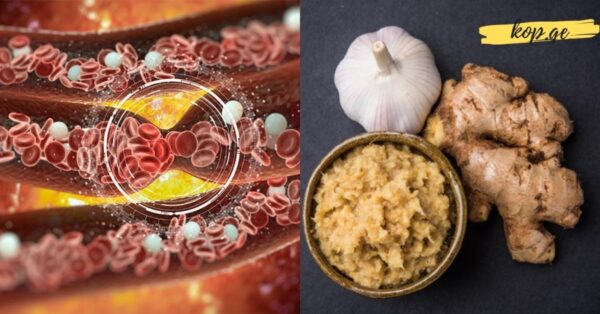
Natural blood thinners can support healthy circulation and help reduce the risk of blood clots, offering people a complementary way to care for their cardiovascular health. While pharmaceutical blood thinners play a crucial role in medicine, certain foods and herbs also contain compounds that may naturally support blood flow and reduce excessive clotting tendencies. However, it is important to understand both the benefits and the limitations of these natural options.
What Are Blood Thinners?
Blood thinners, or anticoagulants, are medications designed to prevent the formation of blood clots and maintain smooth, uninterrupted blood flow through the veins and arteries. Doctors commonly prescribe them to people at risk for conditions such as deep vein thrombosis, pulmonary embolism, atrial fibrillation, or after certain surgeries.
While these medications can be lifesaving, they also come with potential side effects. The most common one is excessive bleeding. This can appear in several ways: dark or bloody urine, black or bloody stool, frequent nosebleeds, bleeding gums, or prolonged bleeding from even small cuts.
Other potential side effects may include dizziness, muscle weakness, hair thinning, or skin rashes. Because these medications significantly affect how blood behaves, they must be taken strictly under medical supervision. Using them incorrectly—or combining them with other substances—can lead to serious, even life-threatening complications.
Why Consider Natural Options?
Some people look for natural ways to support their cardiovascular health in addition to, or in some cases before considering, pharmaceutical treatment. Certain herbs, spices, and foods contain natural anticoagulant properties and may help reduce the risk of blood clot formation.
However, these natural remedies must never be used as substitutes for prescribed anticoagulant medications, and people already taking blood thinners must consult a healthcare provider before adding any of them to their diet. Many natural ingredients can interact with medications and amplify their effects.
Below are some of the most effective natural substances known to support healthy blood flow and help prevent excessive clotting.
1. Ginger
Ginger is one of the most widely studied natural remedies with potential blood-thinning properties. It contains compounds such as gingerol and salicylates, which may help slow clot formation and support healthy circulation. Ginger may also lower the risk of stroke by preventing platelet aggregation—the process by which blood cells clump together to form clots.
Ginger is easy to include in daily meals. You can add it to smoothies, broths, stir-fried dishes, or tea. Drinking 2–3 cups of ginger tea a day is a common natural practice. To prepare the tea, simply simmer a few fresh ginger slices in a cup of water for about five minutes. You can enhance the flavor with lemon or honey.
2. Turmeric
Turmeric is best known for its powerful anti-inflammatory effects, but its benefits extend further. The key compound in turmeric, curcumin, also acts as a natural anticoagulant. It helps prevent platelets from clumping together, which can reduce the likelihood of clot formation.
Turmeric powder can be added to tea, warm milk, soups, rice, or any savory dish. Many people also drink a cup of turmeric water or turmeric milk in the evening to support overall health.
Warning: People taking warfarin or other anticoagulants should avoid consuming turmeric supplements without medical approval, as curcumin can enhance the effects of these medications.
3. Garlic
Garlic is a well-known heart-healthy food with strong anticoagulant properties. It contains sulfur-based compounds such as allicin, adenosine, and polysulfides, which help thin the blood naturally. Garlic also lowers cholesterol and triglyceride levels, reducing plaque buildup in the arteries and lowering the risk of heart attack.
A common natural recommendation is to eat 2–3 raw garlic cloves daily on an empty stomach. Garlic supplements are also available, but they should be taken only after consulting a doctor, especially if you are on blood-thinning medication.
4. Cinnamon
Cinnamon acts as a natural anticoagulant thanks to its content of coumarin, a compound known for its blood-thinning effects. It can help lower blood pressure, reduce inflammation, and decrease stroke risk.
However, coumarin can be harmful when consumed in large amounts. Excessive or long-term cinnamon consumption may damage the liver. Therefore, cinnamon should be used moderately and not as a primary treatment for clot prevention.
5. Cayenne Pepper
Cayenne pepper is a potent circulation booster and natural blood thinner. It contains capsaicin, a compound that helps clear lipid deposits from the arteries and promotes vasodilation—the widening of blood vessels. Cayenne also supports the breakdown of fibrin, an insoluble protein that plays a major role in clot formation.
Cayenne pepper can be added fresh or dried to stews, roasted vegetables, soups, salads, or even lemon water. It not only enhances flavor but also stimulates blood flow and supports heart health.
Important Note
Even though these natural options can support cardiovascular wellness, they must not replace medically prescribed anticoagulants. People with medical conditions, bleeding disorders, or those already taking blood thinners should always speak with a healthcare professional before using these herbs or spices regularly.