





Eggshell Has Healing Properties — After Learning This, You’ll Never Throw It Away Again!
Most people never think twice before tossing eggshells into the trash. They seem like nothing more than kitchen waste, a by-product of cooking that has no further use. However, for generations, many individuals around the world have believed that eggshells possess valuable benefits for health and well-being. While modern science approaches such claims carefully, some studies have explored the composition of eggshells and discovered surprising facts: the mineral makeup of eggshells is remarkably similar to that of human teeth and bones. Because eggshells are composed primarily of calcium carbonate, along with smaller amounts of phosphorus and magnesium, some people claim they can be used as a natural supplement, particularly for supporting bone health.
Although one must be extremely cautious—since consuming improperly cleaned or contaminated eggshells can be dangerous—the idea itself has sparked curiosity. The notion that something we habitually discard might actually contain beneficial nutrients makes the topic even more intriguing. Let’s explore what people traditionally believe about eggshells, what benefits are commonly attributed to them, and how such folk remedies are said to be prepared.
What Conditions Do People Believe Eggshells Help With?
According to popular natural-medicine traditions, one of the most valued properties attributed to eggshell powder is its supposed ability to support the regeneration of bone marrow cells. Because of this, eggshells have been associated with various health improvements. While these claims remain scientifically unproven and should not replace medical treatment, they continue to circulate widely in folk remedies:
• Balancing metabolism.
Some people believe eggshell powder can help regulate metabolic processes. In traditional practices, improved metabolism is linked to healthier weight management and increased energy levels.
• Relieving heartburn and supporting digestive health.
Eggshell powder mixed with certain acidic liquids has long been used as a homemade antacid in folk medicine. Because calcium carbonate is a common ingredient in commercial antacids, many assume the natural version might have similar soothing effects.
• Improving skin conditions such as acne.
Anecdotal remedies sometimes recommend finely powdered eggshell as part of a topical mixture or as a dietary supplement thought to support clearer skin.
• Reducing cases of rickets and anemia in children.
Older generations often administered tiny amounts of eggshell powder to children, believing it would help strengthen their bones and support healthy development.
• Relieving allergy symptoms.
Some traditional remedies mix eggshell powder with lemon juice, claiming that this combination may alleviate allergic responses. Again, this is a folk remedy and not medically verified.
• Lowering “bad” cholesterol.
Certain natural-health sources assert that eggshell powder could interfere with cholesterol absorption, although scientific evidence is lacking.
• Strengthening bones and teeth.
Because eggshells contain abundant calcium, many people assume they may help maintain bone density or support dental health.
• Purifying the blood and detoxifying the body.
Folk traditions frequently attribute cleansing properties to eggshells, even though such claims are not supported by clinical research.
• Eliminating radioactive particles.
This belief originates from older natural-medicine practices, particularly in Eastern Europe, where calcium compounds were sometimes thought to bind toxins and heavy metals.
It is important to emphasize that, although these ideas are widespread in home-remedy culture, they should not be interpreted as medical advice. Anyone considering calcium supplementation—whether natural or pharmaceutical—should consult a physician to avoid overdose, complications, or interactions with medications.
How Is Eggshell Powder Traditionally Prepared?
Those who use eggshells in folk medicine typically follow a specific preparation method. Color does not matter—white and brown eggshells contain the same minerals. However, practitioners strongly advise against using duck or goose eggshells, which may carry a higher risk of contamination.
Here is the traditional method:
Boil the eggs.
Chicken eggs are boiled for 5–7 minutes to reduce bacterial contamination. Hard-boiling the eggs allows the shells to separate more easily from the whites and yolks.
Remove the contents.
Once boiled, the egg is peeled, and the inside is removed. Only the dry, empty shell is used.
Dry the shells thoroughly.
The shells are typically left to air-dry for 5–6 hours. This step is crucial in folk methods to ensure moisture does not cause mold or spoilage.
Grind into a fine powder.
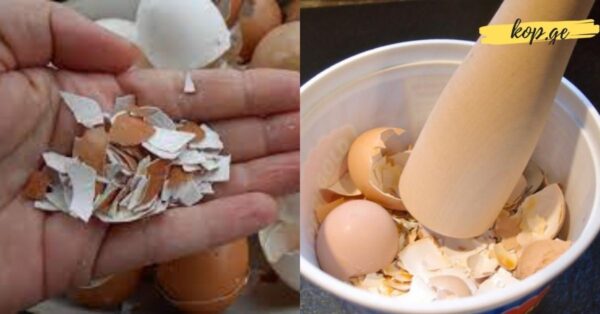
The completely dried shells are ground using a mortar and pestle or a clean grinder until they reach a very fine, flour-like consistency. The finer the powder, the easier it is to mix with liquids.
Store properly.
To preserve what is believed to be their beneficial properties, the ground shells are stored in a closed container and kept in a dark, dry place.
Again, modern health experts caution that boiling may not eliminate all pathogens such as salmonella. Proper sterilization techniques—like baking at high temperatures—are necessary for safety, though such methods were not part of the original folk tradition.
Traditional Guidelines for Use
In these folk practices, eggshell powder is said to be suitable for both children and adults, although the amounts vary:
For children:
Very young children are traditionally given tiny amounts daily for calcium intake. After age seven, they may receive half a teaspoon. Teenagers are sometimes given one to two small teaspoons per day.
For adults:
Adults traditionally consume two teaspoons of eggshell powder per day as a supplement.
For allergies:
The folk remedy prescribes mixing eggshell powder with fresh lemon juice and taking it regularly.
It is worth repeating that these are traditional beliefs rather than scientifically approved guidelines. Exceeding safe levels of calcium can lead to kidney stones, heart issues, constipation, and other serious health risks.
A Final Note
Natural remedies often reflect the wisdom and imagination of earlier generations, revealing how people once tried to use every resource available to them—including something as simple as an eggshell. While exploring these traditions can be fascinating, modern readers should approach them with curiosity but also caution. Before trying any homemade supplement, including eggshell powder, it’s essential to seek professional medical advice.