



Clean Blood Vessels: 5 Golden Recipes from an Herbalist — Traditional Approaches for Supporting Vascular Health
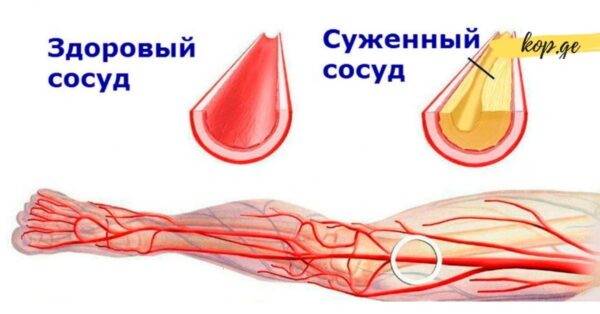
As we age, many people begin to notice discomfort during the night: tingling sensations, numb fingers, or a feeling of heaviness in the hands. Although such symptoms can have different causes, they are sometimes associated with poor circulation or early signs of vascular changes. One condition often discussed in this context is atherosclerosis—a process in which the walls of the blood vessels become thicker and deposits of cholesterol accumulate in the damaged areas of the arteries. Over time, this can interfere with normal blood flow and may increase the risk of serious cardiovascular problems.
Atherosclerosis is known to contribute to conditions such as angina, heart attack, and stroke. Because of these potential complications, maintaining vascular health is extremely important. Alongside medical care, many people also explore traditional remedies to support their overall cardiovascular well-being.
Below are five traditional herbal recipes often recommended in folk medicine. These preparations are not substitutes for professional treatment, but some individuals use them to complement a healthy lifestyle.
1. Flaxseed Jelly
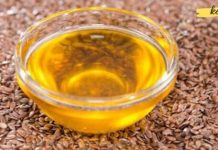
Flaxseeds are rich in omega-3 fatty acids, which in modern nutritional science are regarded as supportive of heart and vascular health. Omega-3s may help regulate blood pressure, maintain the elasticity of blood vessel walls, and support healthy cholesterol metabolism. In traditional herbal practice, flaxseed jelly is considered one of the gentlest natural tonics for the vascular system.
Ingredients:
1/3 cup flaxseeds
1 liter of water
Preparation:
In the evening, place the flaxseeds into the water and bring it to a boil. Then keep the mixture in a water bath for about 2 hours. In the morning, strain the mixture and pour the jelly-like liquid into a glass jar with a lid. You should obtain approximately 850 ml of thickened fluid.
How it is traditionally consumed:
People usually take 1/3 cup in the morning on an empty stomach and another 1/3 cup in the evening before meals. The practice is repeated for about five days.
This mixture is valued for its soothing texture and digestive benefits, although effects vary from person to person.
2. Walnut and Olive Mix
Walnuts have long been praised in both traditional and modern nutrition for their healthy fats, antioxidants, and beneficial micronutrients. Olives—and olive-based preparations—are also linked with vascular support due to their monounsaturated fats and polyphenols.
Ingredients:
1.5 kg of fresh, young walnuts
0.5 kg of olives
Preparation:
Grind both ingredients using a meat grinder or food processor until a thick, cohesive mixture forms. Store the blend in the refrigerator.
Traditional use:
Take one tablespoon daily. Many herbalists suggest following this routine for approximately two months.
While such mixtures are nutrient-dense, individuals must be mindful of calorie intake and potential allergies, especially to nuts.
3. Lemon and Garlic Infusion
Lemon is widely known as a natural antioxidant rich in vitamin C. Garlic contains sulfur compounds—such as allicin—that have long attracted interest in both traditional medicine and scientific research. These compounds are believed to support circulation and help maintain a balanced inflammatory response.
Ingredients:
10 cloves of garlic
1 whole lemon
Half a cup of boiled, cooled water
Preparation:
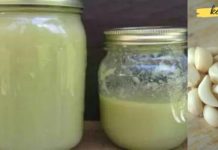
Crush the garlic and chop the lemon (including the peel, if desired). Pour the warm water over the mixture and allow it to infuse for three days in a cool, dark place.
Traditional consumption:
Take one tablespoon once or twice a day for one month. Keep the infusion stored in a cool, shaded location.
This preparation is popular for its refreshing flavor and potential antioxidant properties, although its health effects are not medically proven and vary widely among individuals.
4. Honey and Cinnamon Drink
Both honey and cinnamon have been used for centuries in various cultures. Honey contains antioxidants, while cinnamon is known for its aromatic compounds and traditional roles in digestion and circulation.
Ingredients:
500 ml of warm, boiled water
2–3 tablespoons of natural flower honey
25 grams of cinnamon
Preparation:
Mix all ingredients thoroughly and allow the drink to cool.
Traditional intake:
Drink half a glass in the morning and half a glass in the evening for one month.
As with all honey-based remedies, individuals with diabetes or sensitivity to sugar should consult a healthcare professional before consuming such mixtures regularly.
5. Lifestyle Measures for Vascular Strength
While traditional remedies can be pleasant and comforting, lifestyle remains one of the most powerful tools for supporting vascular health.
Physical Activity
Regular exercise helps burn fat, regulate cholesterol levels, improve circulation, and support heart strength. A well-trained heart pumps more efficiently, while the blood vessels themselves become more flexible and resilient. Aerobic activities—such as walking, cycling, and swimming—can significantly reduce the risk of plaque formation in the arteries.
Balanced Nutrition
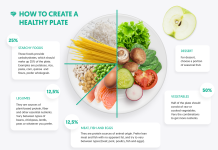
A diet rich in vegetables, fruits, whole grains, lean proteins, and healthy fats plays a major role in maintaining clean and flexible blood vessels. Reducing processed foods, trans fats, and excessive sugar contributes to long-term vascular health.
Stress Reduction
Chronic stress is associated with increased inflammation and higher cardiovascular risk. Mindfulness practices, deep breathing, meditation, and regular relaxation can provide important support.
Medical Check-Ups
Anyone experiencing symptoms such as numbness, chest discomfort, or changes in circulation should consult a healthcare provider. Early detection of vascular issues leads to more effective management.
Final Note
Folk remedies can offer additional comfort and a sense of wellness, but they should always complement—not replace—professional medical care. Your cardiovascular health is essential, and caring for your blood vessels means caring for your entire body.