








Do You Suffer From Joint Pain? We Can Help You Manage the Discomfort and Introduce You to Four Natural Home Remedies for Pain Relief
Joint pain is a common complaint affecting people of all ages. Whether caused by aging, lack of physical activity, strain, injury, or simple fatigue, joint discomfort can interfere with daily tasks and significantly reduce quality of life. Many individuals turn to natural home remedies to ease this discomfort, especially when the pain is mild or related to overuse. While natural remedies cannot replace medical treatment in more serious cases, they can provide soothing support and help relieve tension.
Below are four natural remedies traditionally used for easing joint pain: peppermint oil, rosemary oil, eucalyptus oil, and mustard. Each of these remedies has unique properties that can help soothe tight muscles, support circulation, and reduce the sensation of pain.
Why Joint Health Matters
Joints are essential structures that allow the body to bend, move, and carry out everyday activities. When joints become stiff or inflamed, movements that were once effortless may become painful. Factors that commonly contribute to joint discomfort include:
Insufficient exercise – Lack of movement can cause joints to stiffen and muscles to weaken.
Aging – Over time, joint cartilage naturally wears down, making stiffness and discomfort more likely.
Overexertion – Intense physical activity or repetitive movements can strain the joints.
Injury – Sprains, falls, or impact injuries can irritate joint tissues and cause inflammation.
For mild, temporary discomfort, natural remedies may offer relief. Below, we take a closer look at each of the four home treatments mentioned above and how they are traditionally used.
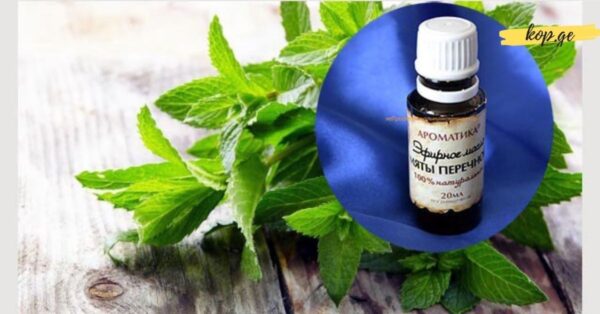
1. Peppermint Oil – A Natural Cooling Pain Reliever
Peppermint oil is widely recognized as a natural remedy for easing joint and muscle discomfort. Its effectiveness comes from menthol, a compound known for its cooling and soothing properties. When applied to the skin, menthol interacts with cold receptors, creating a cooling sensation that can temporarily ease pain.
How peppermint oil is traditionally used
A small amount of diluted peppermint oil is massaged onto the affected area.
The cooling effect can help relax tense muscles and reduce the sense of discomfort.
The aroma itself may also have a calming effect, promoting relaxation.
Peppermint oil is also known for soothing digestive issues and supporting respiratory comfort, though those uses are unrelated to joint pain. For topical use, it is important to dilute the oil with a carrier oil (such as almond or coconut oil) to avoid skin irritation.
2. Rosemary Oil – Supports Circulation
Rosemary is an evergreen plant that grows naturally around the Mediterranean region. Reaching heights of more than two meters, rosemary has been used for centuries both as a culinary herb and for its therapeutic benefits. The oil extracted from the plant’s leaves is widely regarded for its warming and stimulating properties.
How rosemary oil may help
It is believed to support blood circulation in the area where it is applied.
It may help reduce the sensation of stiffness in joints.
Many people use it as a natural massage oil to soothe tired muscles.
A gentle daily massage with diluted rosemary oil is a traditional practice for easing morning stiffness. Many people report that consistent use leaves the joints feeling more flexible and relaxed. As always, essential oils should be used with caution and diluted properly.
3. Eucalyptus Oil – Traditionally Used for Inflammation Relief
The eucalyptus tree can grow as tall as 60 meters and is native to Australia and Indonesia. Its leaves contain a rich supply of essential oils known for their refreshing scent and cooling qualities. Eucalyptus oil has long been used in traditional remedies aimed at easing muscle tension and supporting comfort during episodes of joint pain.
Traditional uses of eucalyptus oil
Applied topically (diluted), it can create a cooling effect similar to peppermint.
Many people find it beneficial for stiff joints, tired muscles, and mild rheumatic discomfort.
Because of its strong aroma, it is also commonly used to support easier breathing.
A once-daily application of properly diluted eucalyptus oil to the sore area is a common home remedy. People often report feeling relief soon after application. However, eucalyptus oil should never be used on broken skin and should be stored safely away from children.
4. Mustard – A Traditional Warming Compress for Pain Relief
Mustard has long been used as a warming agent. When applied as a compress, mustard is believed to stimulate circulation and reduce discomfort in stiff or aching joints. Its warming effect helps relax the muscles surrounding the joint, making movement feel easier.
How to prepare a traditional mustard compress
Mix mustard powder with warm water until it forms a thick paste.
Spread the paste onto a clean cloth.
Place the cloth on the affected area for 10 to 15 minutes.
Use this method for no more than two weeks.
Mustard compresses are also commonly used for back and neck discomfort. Because mustard can irritate the skin, it is important to check for sensitivity and avoid leaving the compress on for too long.
A Helpful Reminder
While natural remedies can be soothing, persistent, severe, or worsening joint pain should always be evaluated by a healthcare professional. Natural oils and warming compresses are supportive tools, not substitutes for medical diagnosis or treatment.