







Chlorophyllipt: An Affordable Natural Remedy Used for 12 Conditions — Here Are the Most Effective Traditional Recipes
Anyone who suffers from chronic tonsillitis knows how exhausting and discouraging the condition can be. Very often, a simple cold ends in antibiotics, repeated treatments, and sometimes even hospitalization. What many find particularly frustrating is that the disease can flare up again and again, even after several courses of antibiotic therapy.
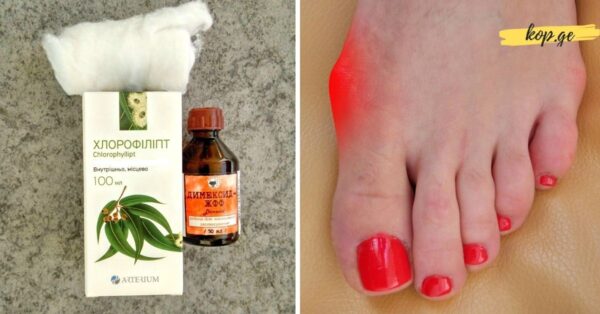
However, in traditional medicine, there exists a natural product that many people believe may help ease symptoms and support overall healing. This remedy is known as Chlorophyllipt. It is available in the form of a spray, oil solution, alcohol solution, and tablets. Although it is commonly used for throat and oral health, many people also use it to support the treatment of skin issues such as pustular wounds and acne. During the summer, it is even used by some to reduce excessive sweating and unpleasant odors.
The very name “Chlorophyllipt” reflects its origin: the preparation is based on a thick extract of eucalyptus leaves. Eucalyptus has long been recognized in traditional medicine for its soothing and refreshing qualities. Because of its natural properties, many refer to Chlorophyllipt as a “plant-based antibiotic.” In addition to eucalyptus extract, formulas may contain alcohol, oil, or other supportive ingredients depending on the form of the product.
Since the product is plant-based, it may cause side effects in sensitive individuals, such as redness, rash, itching, or a burning sensation, especially when used as lozenges. To avoid allergic reactions, it is recommended to perform a sensitivity test before use and consult a healthcare professional—especially if you plan to use the product orally or on sensitive areas.
Many people also value Chlorophyllipt for its comforting effect on irritated tissues. Traditionally, it is believed to have several therapeutic properties, often described as:
Anti-inflammatory
Bacteriostatic
Bactericidal
Regenerative
Immune-supporting
Anti-hypoxic
Anti-pyogenic
While these qualities have made it popular in folk practices, it should never replace professional medical treatment when needed.
How Chlorophyllipt Is Traditionally Used
Below are common traditional uses. These are not medical recommendations, but descriptions of how people often apply the remedy in everyday practice.
1. Sore throat, acute respiratory infections, pharyngitis
Mix 1 tablespoon of the alcohol solution with 1 glass of warm water. Gargle with the mixture 4–5 times a day between meals. A spray form may also be used to soothe the throat.
2. Tonsillitis and chronic tonsillitis
For one week, perform the following procedure three times a day:
Mix warm water with the alcohol solution (1 teaspoon per 150 ml of water).
Fill a large syringe (without a needle) with the mixture and rinse the tonsils directly.
This method is traditionally believed to help cleanse the tonsils and reduce discomfort.
3. Nasal congestion and runny nose
Soak a cotton pad or cotton swab in the oil-based solution of Chlorophyllipt and place it gently inside each nostril for 10–15 minutes. Repeat the process daily until symptoms improve.
4. Staphylococcus aureus
If laboratory tests show the presence of staphylococcal bacteria in the throat or nasal passages, traditional healers recommend first testing bacterial sensitivity to bacteriophages. While waiting for results, some people apply 2–3 drops of the oil solution into the nose and gargle with the diluted alcohol solution.
5. Acne and skin imperfections
Use a cotton pad soaked in the alcohol solution to gently dab affected areas. This practice is said to help cleanse the skin and reduce breakouts.
6. Stomatitis, gum issues, oral irritation, herpes
Mix 1 teaspoon of baking soda and 1 teaspoon of the alcohol solution of Chlorophyllipt in 1 glass of warm water. Rinse the mouth frequently, especially after meals, to soothe irritation.
7. Wounds
The alcohol solution is often used to disinfect fresh wounds. If a wound becomes inflamed or forms pus, place a cotton compress soaked in the oil solution on the affected area overnight.
8. Cracked heels
In the evening, soak your feet in a warm baking soda bath (2 tablespoons of soda for 3 liters of water). Remove thickened skin where possible, dry the feet, and apply a compress with the oil solution of Chlorophyllipt. Wear warm socks overnight.
9. Purulent wounds and burns
Oil-soaked compresses can be applied to support healing. Traditionally, the compress is changed twice daily until the area improves.
10. Gynecological concerns
In folk practices, postpartum tears and cervical erosion have been treated with night-time compresses soaked in the oil solution for about 14 days. Some also use diluted alcohol solution (1 tablespoon of the 1% alcohol formula per 1 liter of water) for rinsing.
11. Excessive sweating
To reduce sweat and odor, prepare the following mixture:
3 tablespoons of the alcohol solution
1 tablespoon of baking soda
5 drops of tea tree oil
150 ml of warm water
Apply the mixture to the underarms twice daily—morning and evening. If sweating persists, the odor is said to decrease significantly. This mixture can also be used on the feet.
12. Foot fungus
Make warm baths using baking soda and the alcohol solution of Chlorophyllipt. After bathing, apply tea tree oil to the affected area.
Lozenges of Chlorophyllipt can also be carried as a natural breath freshener.
Final Note
Chlorophyllipt is appreciated worldwide for its natural origin and versatility. However, while it is widely used in folk practice, it should not be considered a replacement for professional medical care. If you have a health condition—especially a chronic or severe one—consult a doctor before beginning any treatment.