







If You Suffer from Heartburn, These Remedies Can Help Relieve It

Heartburn is a very uncomfortable sensation for anyone experiencing it, and for many people it becomes a daily burden that lowers their quality of life. Occasional irritation is normal, but when the burning becomes constant, it may be a sign of something more serious, such as acid reflux disease. Understanding what causes heartburn and knowing how to prevent or relieve it can make a significant difference.
What Is Heartburn?
Heartburn occurs when stomach acid flows back into the esophagus—the tube that connects your mouth to your stomach. This backward flow is known as acid reflux, and the burning sensation in the chest or throat is what we commonly call heartburn.
A small muscle at the lower end of the esophagus, known as the lower esophageal sphincter (LES), normally prevents acid from rising upward. When this sphincter relaxes at the wrong time or becomes weak, acid can escape into the esophagus.
Occasional reflux is common and usually harmless. However, when it becomes frequent or chronic, it can develop into gastroesophageal reflux disease (GERD), which requires medical attention. If you experience heartburn several times a week, or if it interferes with your daily life, you should consult a doctor for evaluation.
Common Causes of Heartburn
Heartburn can be a symptom of various underlying conditions or lifestyle habits. Some of the most common causes include:
1. Dysfunction of the Lower Esophageal Sphincter
When the LES does not close properly, acid can easily move upward into the esophagus.
2. Hiatal Hernia
A part of the stomach may push upward through the diaphragm, making acid reflux more likely.
3. Gastritis
Inflammation of the stomach lining increases acid sensitivity and can lead to burning sensations.
4. Overeating or Eating Certain Foods
Large meals, high-fat foods, fried dishes, chocolate, caffeine, spicy meals, tomatoes, citrus fruits, and carbonated drinks are common triggers.
5. Medications
Certain painkillers (especially NSAIDs), muscle relaxants, and some blood pressure medicines can aggravate reflux symptoms.
6. Pregnancy
Hormonal changes and pressure on the stomach can increase acid reflux in pregnant women.
7. Stress
Emotional tension affects how the digestive system functions. Stress may increase stomach acid production or make the esophagus more sensitive to it.
How to Reduce Heartburn in the Long Term
Here are several helpful recommendations to minimize heartburn and protect your digestive system over time:
1. Avoid Acidic Foods and Drinks
Try to limit or avoid carbonated beverages, citrus fruits, tomatoes, vinegar, and other highly acidic foods. While healthy, these foods can irritate the esophagus when consumed in excess.
2. Elevate Your Head While Sleeping
Gravity can help keep stomach acid where it belongs. Sleeping with your head elevated on a pillow or adjusting the top of your mattress can make reflux less likely at night.
Sleeping on your left side is also beneficial, because the entrance to the stomach is positioned lower in that position, making it harder for acid to rise.
3. Eat Smaller, More Frequent Meals
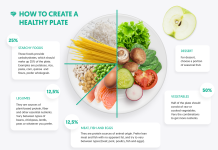
Instead of three large meals, try eating four or five smaller meals throughout the day. Choose foods that are easier to digest and low in fat, such as fish, potatoes, oatmeal, yogurt, steamed vegetables, and whole grains. Fiber-rich meals help stabilize digestion and reduce the pressure that contributes to reflux.
4. Limit the Use of Painkillers
Frequent use of NSAIDs (such as ibuprofen or aspirin) can irritate the stomach lining and promote heartburn. Use them only when truly necessary, and consider alternative pain-relief methods if possible.
5. Reduce Stress
Psychological and emotional stress increases sensitivity to stomach acid and may worsen reflux symptoms. Relaxation techniques—such as deep breathing, meditation, stretching, walking, or enjoying nature—can significantly reduce discomfort. Regular sleep, balanced meals, and healthy daily routines also help regulate digestion.
Effective Home Remedies for Heartburn
Acute heartburn often requires quick relief. While medications exist, they are not always the best long-term solution, as frequent use can have side effects. Fortunately, several home remedies may help ease symptoms:
1. Chewing Gum
Chewing sugar-free gum increases saliva production. Saliva naturally neutralizes acid in the esophagus and helps wash it back down into the stomach. Even a few minutes of chewing can make a noticeable difference.
2. Herbal Teas
Herbal teas such as chamomile, fennel, ginger, or licorice root can soothe the digestive tract. Chamomile reduces irritation, while fennel relaxes the gastrointestinal muscles and helps prevent spasms.
3. Raw Potato Juice
Raw potato juice is rich in starch, which binds to excess acid and provides a calming effect on the stomach. It has been used traditionally as a natural antacid. Only small quantities are needed, and it should be consumed fresh.
4. Bananas
Bananas act as a natural buffer against stomach acid. Their soft texture and alkaline nature make them gentle on the digestive system. Eating one banana when symptoms appear can provide mild but effective relief.
5. Warm Water
Sipping warm water slowly can help push acid down and clear the esophagus. It also relaxes the muscles in the digestive tract.
6. A Spoonful of Honey
Though not in the original list, honey is widely used as a soothing agent. A teaspoon of honey may help coat the esophagus and reduce irritation.
Final Thoughts
Heartburn is uncomfortable, but in most cases it can be managed with simple lifestyle changes, mindful eating habits, and natural remedies. Paying attention to triggers, eating smaller meals, reducing stress, and choosing gentle, healing foods can greatly reduce symptoms. However, persistent or severe heartburn should never be ignored. When in doubt, seek medical guidance to prevent complications and ensure proper treatment.