


Beet Leaves for Supporting Brain Health and Combating Anemia
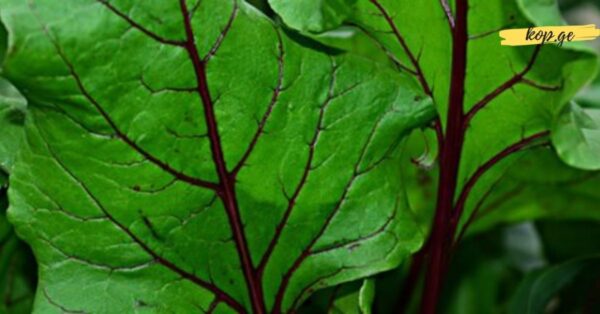
People use beet leaves in many different ways—whether added to salads, cooked into vegetable dishes, or sautéed as a nutritious side. Although beetroot is often the star of the plant, its leaves are just as valuable. In recent years, interest in beet greens has grown significantly because of their rich nutritional profile and the potential benefits they may offer for overall health, including cognitive well-being and anemia prevention.
Nutritional Benefits of Beet Leaves
Beet leaves are impressively nutrient-dense. They contain generous amounts of protein and a wide range of essential minerals, including phosphorus, zinc, potassium, copper, manganese, calcium, iron, and magnesium. This combination makes beet greens an excellent choice for anyone looking to enrich their diet with highly nutritious vegetables.
Beet leaves are also rich in vitamins—particularly vitamin B6, vitamin A, vitamin K, and vitamin C. Each of these plays an important role in maintaining the body’s normal physiological functions:
Vitamin K supports normal blood clotting and contributes to healthy bone metabolism.
Calcium, also found in beet greens, is essential for maintaining strong bones and supporting overall bone structure.
Vitamin A helps strengthen the immune system and supports the production and function of white blood cells.
Vitamin C provides antioxidant benefits and supports iron absorption—an important factor for preventing iron-deficiency anemia.
In addition to vitamins and minerals, beet leaves are high in dietary fiber, which supports healthy digestion, helps maintain steady energy levels, and contributes to long-term metabolic health.
Beet Leaves, Antioxidants, and Brain Health
Recent scientific interest has focused on how nutrient-rich leafy greens—including beet leaves—may support long-term brain health. Beet greens contain antioxidants that help the body reduce oxidative stress, a natural process associated with aging. While antioxidants are not a cure or a guaranteed prevention for Alzheimer’s disease, they do play an important role in protecting the body’s cells from damage caused by free radicals.
Some research suggests that diets high in leafy greens and antioxidant-rich vegetables may support cognitive function as part of an overall healthy lifestyle. Beet leaves also contain nitrates, which the body converts into nitric oxide—a compound that helps promote healthy blood flow. Healthy circulation is essential for delivering nutrients and oxygen to the brain. Though more research is needed, including beet greens as part of a balanced diet may contribute to overall brain wellness.
Beet Leaves and Their Role in Combating Anemia
Beet leaves are valuable for individuals looking to maintain healthy iron levels. They naturally contain iron, a mineral necessary for producing hemoglobin—the protein in red blood cells responsible for carrying oxygen throughout the body. In addition, the vitamin C present in beet leaves helps increase the absorption of iron from plant-based sources.
While beet leaves alone are not a treatment for anemia, combining them with an overall iron-rich diet can support the body’s natural ability to maintain healthy blood levels.
Incorporating Beet Leaves Into Your Diet
Given their nutritional richness and culinary versatility, beet leaves deserve a place in everyday meals. Below is a delicious recipe that combines both beetroot and beet greens. This dish not only highlights the natural flavors of the plant but also makes it easier to integrate these nutrient-dense ingredients into your diet.
Recipe: Roasted Beets With Sautéed Beet Greens
Ingredients
1 small beetroot with fresh leaves attached
60 ml olive oil
2 cloves garlic, finely chopped
2 tablespoons chopped onion
1 teaspoon wine vinegar
A pinch of salt
A pinch of black pepper
Preparation
To prepare the beetroot:
Preheat your oven to 180°C.
Wash the beetroot thoroughly, ensuring both the root and leaves are clean.
Remove the leaves and set them aside for later use.
Place the beetroot in a baking dish and drizzle with some of the olive oil.
Roast in the oven for around 45 minutes, or until the beetroot becomes soft and tender.
Once done, serve with wine vinegar or a bit of olive oil, along with salt and pepper to taste.
To prepare the beet leaves:
Rinse the leaves well under cool water and remove the thick stems.
Chop the leaves into pieces about 2–3 cm in size.
Heat a pan and add a bit of olive oil.
Sauté the chopped onion and garlic for about 3 minutes, until they become fragrant.
Add the beet leaves, along with salt and pepper to taste.
Cook for several minutes until the leaves soften.
This simple preparation results in a flavorful side dish packed with nutrients that support overall wellness and contribute to maintaining healthy iron levels.
Final Thoughts
Beet leaves are one of nature’s underrated superfoods. They are packed with vitamins, minerals, antioxidants, and fiber—all essential for supporting various aspects of health, from digestion and immunity to blood quality and general well-being. While they cannot cure or prevent specific diseases on their own, including beet greens in a balanced, nutrient-rich diet may contribute to better long-term health outcomes.