






How to Remove Excess Salt from the Body at Home
Excessive salt in the body can be harmful to human health. In medical terminology, this is sometimes referred to as “salt deposition.” The accumulation of salt in the body can contribute to a range of cardiovascular and internal organ problems. If salt deposits have formed in your body, there are several home methods you can use to help restore balance and improve your overall well-being.
Causes and Symptoms of Excess Salt
A healthy body can usually handle small fluctuations in salt intake on its own. However, there are several factors that can lead to excessive salt accumulation:
Kidney or liver disease
Poor lifestyle habits, including alcohol consumption and smoking
Aging, as metabolism slows down with time
Sedentary lifestyle and lack of physical activity
High consumption of salty, processed, or fast foods
Increased toxin exposure from environmental or dietary sources
When these factors interfere with the body’s natural ability to regulate salt, it can result in a range of symptoms, including:
Persistent thirst: People may constantly feel dehydrated due to salt retaining water in the body.
Swelling in the extremities: Excess salt causes tissues to retain water, resulting in edema in the hands, feet, and ankles.
Cravings for salty foods: A feedback loop develops where the body demands even more salt.
High blood pressure: Elevated sodium levels can contribute to hypertension.
Joint pain: Salt buildup in the joints can lead to discomfort and stiffness.
⚠️ Attention: If you notice these symptoms, it is important to consult a doctor to confirm the diagnosis and receive guidance on dietary changes.
Proper Diet to Reduce Salt
The first and most important step in addressing salt buildup is adjusting your diet. A well-planned diet can help balance sodium levels and prevent long-term complications.
Key dietary measures include:
Replacing regular table salt with sea salt
Reducing overall salt consumption as much as possible
Avoiding processed foods containing additives and preservatives
Limiting sweets, baked goods, and fried or smoked foods
Reducing intake of fatty meats and fish
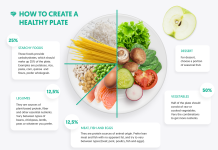
Certain foods naturally help remove excess salt from the body. Incorporate the following into your diet:
Fresh vegetables, such as cucumbers, lettuce, and tomatoes
Nuts and legumes, which provide fiber and minerals
Fruits, especially those rich in potassium like bananas and oranges
Vegetable oils in moderation, such as olive or sunflower oil
Green tea, which supports hydration and metabolism
Seafood, which provides trace minerals that help maintain electrolyte balance
Rice Diet for Salt Removal
One traditional method to help cleanse the body of excess salt is a rice-based diet. This approach is simple yet effective:
Place three large tablespoons of rice in water and leave it soaking overnight.
In the morning, drain the water and add fresh water.
Cook the rice on low heat, allowing it to simmer for five minutes.
Drain the water and repeat the cooking process four times, each time using fresh water.
Consume the warm rice porridge throughout the day at three-hour intervals.
Follow this regimen for 10 days. The rice helps absorb excess sodium from the body, and drinking water alongside the diet promotes flushing of toxins.
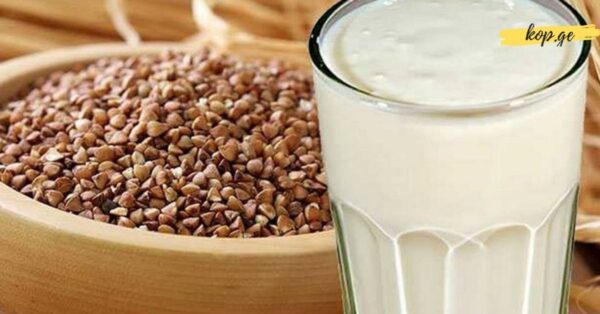
Buckwheat and Kefir Diet
Another effective method is the buckwheat and kefir diet, which is especially popular for natural detoxification:
Grind two large tablespoons of buckwheat into a coarse meal.
Add one cup of kefir to the buckwheat and stir well.
Cover the mixture and leave it overnight.
Consume this mixture every morning on an empty stomach for five consecutive days.
This combination provides fiber, probiotics, and nutrients that support digestion and help the body naturally remove excess salt.
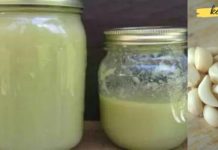
Garlic Infusion
Garlic is a natural diuretic and detoxifying agent that can also assist in regulating sodium levels:
Take 100 ml of vodka or a similar alcohol base.
Add 40 grams of finely chopped garlic to the alcohol.
Store the mixture in a dark place for seven days.
Take 10 drops of this infusion twice daily, 30 minutes before meals.
This preparation helps improve kidney function and promotes the elimination of excess sodium.
Additional Tips for Maintaining Salt Balance
Stay hydrated: Drinking enough water helps flush excess salt from the body.
Exercise regularly: Physical activity promotes circulation and encourages the kidneys to remove toxins more efficiently.
Limit processed foods: Packaged foods often contain hidden salt. Cooking at home allows better control over sodium intake.
Eat potassium-rich foods: Potassium helps balance sodium levels, so include foods like bananas, sweet potatoes, and leafy greens.
Monitor blood pressure: Keeping your cardiovascular system in check can prevent salt-related complications.
By combining dietary changes, natural remedies, and lifestyle adjustments, you can effectively reduce salt buildup and improve overall health. These home strategies are simple, cost-effective, and safe when followed correctly.
Share these tips with friends and family so they, too, can maintain a healthy balance of sodium in the body naturally.