









The Aloe in Your Pot Is More Than Beautiful—It’s a Natural Remedy
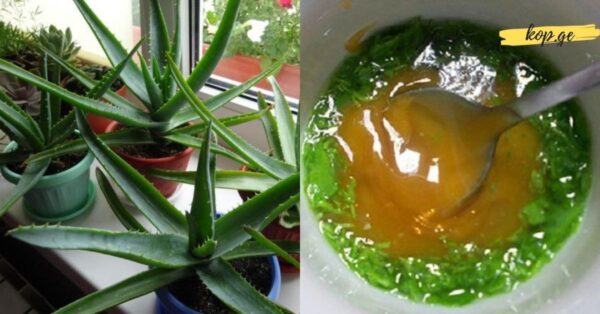
Many of us keep aloe vera in pots simply because it looks appealing. Its thick, succulent leaves and elegant green color brighten any room, but aloe vera is much more than a decorative plant. Known for centuries in traditional medicine, aloe vera contains compounds believed to have healing and therapeutic properties. From soothing minor burns to supporting digestive health, this remarkable plant has a variety of uses that can complement modern wellness practices.
Today, we will explore several traditional remedies derived from aloe vera, explain their intended effects, and provide guidance on using this versatile plant safely. These uses are based on folk traditions and cultural practices around the world.
1. Aloe for Colds and Immunity Support
Aloe has been traditionally used to support respiratory health. A common folk preparation combines aloe gel, honey, and a small amount of alcohol to create a tonic. In practice, fresh aloe leaves are often crushed or blended, then mixed with natural honey and a small, controlled portion of alcohol. Honey is known for its soothing properties, while aloe gel provides a cooling, mucilaginous texture that can help calm irritated mucous membranes.
In traditional contexts, such mixtures were consumed in small doses multiple times per day before meals. Many people report feeling relief from minor cold symptoms and general respiratory discomfort after regular use.
2. Aloe Juice for Nasal Congestion
Aloe juice has also been traditionally used to help clear nasal passages. By diluting fresh aloe juice in water, folk medicine practices recommend using a few drops in each nostril to support open airflow. While aloe is not a medical cure for sinus infections, its mucilaginous quality may help soothe irritated nasal tissues and support a feeling of freer breathing.
This use demonstrates how aloe has historically been valued for respiratory comfort, especially during seasonal changes or minor colds.
3. Aloe for Coughs
Aloe has a long-standing reputation for helping with mild coughs. Traditional remedies often combine aloe juice with honey and sometimes a small portion of butter to create a soothing mixture. The idea is that aloe’s natural gel coats the throat, while honey and butter help to calm irritation. Folk practitioners typically recommend consuming small amounts twice daily for short periods to support comfort in the throat.
4. Aloe for Sore Throats
In many cultures, aloe juice is diluted in water and used as a gentle gargle for sore throats. The natural properties of aloe may provide a soothing effect on irritated throat tissues. People have used this method multiple times a day in folk practice, and it is believed to help reduce discomfort from minor throat inflammation.
5. Aloe for Eye and Eyelid Care
For those who spend long hours in front of screens, eye strain and mild eyelid irritation are common. Traditional remedies sometimes involve using tiny, diluted drops of aloe juice to soothe the eyes. This method should always be approached with caution: only sterile, properly prepared aloe solutions should ever come in contact with the eyes, and anyone experiencing persistent redness or pain should seek professional advice.
6. Aloe for Minor Burns
One of aloe’s best-known uses worldwide is for soothing minor burns and skin irritations. Traditional practices often recommend applying aloe gel directly to the affected area or combining it with honey to create a cooling, protective layer over the skin. Aloe’s natural mucilage helps retain moisture and may reduce the sensation of heat or stinging from minor burns.
This simple, natural approach has made aloe a staple in first-aid cabinets in homes across the globe.
7. Aloe and Honey for Digestive Health
Aloe is also used in folk medicine to support digestion and liver function. Fresh aloe gel can be extracted, cleaned carefully to remove the outer leaf skin, and combined with natural honey. In traditional practice, small doses of this mixture were consumed before meals. Aloe is believed to help soothe the digestive tract, while honey adds gentle prebiotic support.
These practices demonstrate how aloe has been valued not just for its topical uses, but also for supporting overall internal wellness.
Safe Use and Considerations
While aloe vera offers many potential benefits, it is important to approach these remedies safely:
Always clean the leaves thoroughly before use.
Avoid using unprocessed aloe internally in large doses, as some compounds can be irritating or have strong laxative effects.
Do not apply aloe to deep or serious burns without medical guidance.
If you have chronic health conditions, are pregnant, or take medications, consult a healthcare provider before using aloe internally.
Aloe vera is a versatile plant, but safety and moderation are key to ensuring its use complements overall health rather than causing harm.
Why Aloe Is a Valuable Home Plant
Having aloe in your home is more than an aesthetic choice. Its natural gel and juice have a variety of applications for skin care, respiratory comfort, minor irritation, and digestive support. These traditional uses highlight the plant’s versatility and the importance of connecting with natural remedies.
Platforms like Kop.ge share such folk wisdom, emphasizing natural, home-based solutions for health and wellness. Using plants like aloe encourages a holistic lifestyle that values both beauty and utility, combining modern understanding with centuries of cultural practice.
By keeping aloe in your home, you are not only adding a touch of greenery but also maintaining a small natural pharmacy at your fingertips—ready to provide gentle, traditional support for everyday minor ailments.
Conclusion
Aloe vera is more than a decorative houseplant. Its leaves contain medicinal gel that has been traditionally used for soothing skin, supporting digestion, calming minor respiratory irritation, and promoting general wellness. While modern science continues to explore its properties, the long-standing use of aloe in folk medicine illustrates its significance as a natural, multi-purpose remedy.
With careful preparation and proper use, aloe can be a valuable addition to home health practices. Its combination of aesthetic appeal and functional benefits makes it a plant worth cultivating and understanding.