







12 Signs Your Liver May Be Damaged – Do Not Ignore Them
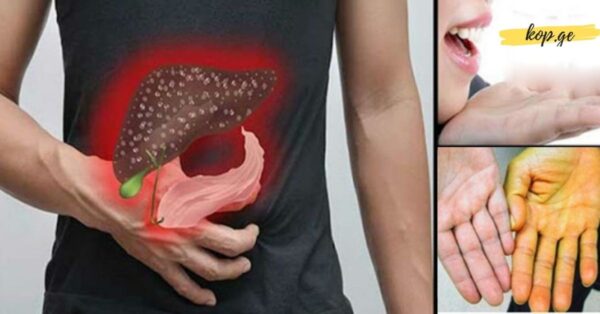
Liver problems can sometimes develop quietly over many years. Because symptoms often appear gradually, people may not realize something is wrong until the condition has progressed. The liver is one of the body’s most essential organs, responsible for detoxification, metabolism, digestion, and many other vital processes. This is why early awareness of warning signs is extremely important. Below is an expanded description of symptoms commonly associated with liver dysfunction. These signs do not confirm disease on their own, but they should not be overlooked.
1. Chronic digestive discomfort
Persistent bloating or abdominal swelling is not always the result of overeating or indigestion. In some cases, an enlarged abdomen may be associated with fluid accumulation or changes in liver function. When the liver is not working effectively, it may lead to swelling that can sometimes be felt by touch. Chronic bloating that does not improve should be evaluated by a healthcare professional.
2. Pain under the right rib cage
Discomfort or pain in the upper right side of the abdomen—just beneath the ribs—is one of the common sensations people report when the liver is irritated or enlarged. This pain can range from mild sensitivity to sharp or persistent discomfort. If you regularly notice pain in this area, especially if it intensifies over time, it is important to seek medical assessment.
3. Pain in the right shoulder or side
Some people experience pain that radiates to the right side or even the right shoulder. This can occur because the liver sits close to nerves that connect to these areas. Although pain alone does not confirm liver damage, unexplained right-sided discomfort may warrant attention.
4. Frequent nausea
When liver function becomes impaired, the body may struggle to break down food and process nutrients efficiently. Nausea or queasiness after meals—or even throughout the day—may occur alongside abdominal discomfort or fatigue. Persistent nausea should not be ignored, as it may signal a disruption in normal metabolic processes.
5. Easy bruising
The liver produces proteins that help the blood clot normally. When its function is reduced, the body may not produce enough of these proteins. As a result, you might notice that bruises appear more easily or take longer to heal. While bruising can have many causes, an increase in unexplained bruises can be a sign that the liver is under strain.
6. Constant fatigue
Unusual or long-lasting tiredness is one of the most frequently reported symptoms of liver dysfunction. When the liver becomes overloaded with toxins or metabolic by-products, the body may struggle to maintain healthy oxygen levels and energy production. This can result in a persistent feeling of exhaustion, even after adequate rest. Chronic fatigue accompanied by other symptoms deserves medical evaluation.
7. Changes in memory, mood, or personality
As toxins accumulate in the blood, they can sometimes reach the brain. This may lead to difficulty concentrating, memory lapses, irritability, or changes in sleep patterns. Although these symptoms can be caused by many conditions, cognitive or behavioral changes combined with other physical signs may indicate liver-related issues.
8. Changes in appetite
Loss of appetite is another possible indicator. People may find themselves feeling full quickly or experiencing a reduced desire to eat. Over time, this can lead to unintentional weight loss. If you maintain your usual eating habits yet notice consistent weight decline, it is recommended to consult a healthcare professional to understand the underlying cause.
9. Yellowing of the skin or eyes
Jaundice—the yellowing of the skin or the whites of the eyes—occurs when bilirubin, a pigment naturally produced by the body, builds up in the bloodstream. Normally, the liver processes bilirubin and removes it. When liver function is impaired, bilirubin may accumulate, leading to visible discoloration. Jaundice is an important warning sign and should be addressed promptly.
10. Swelling in the ankles or feet
Fluid may collect in the lower parts of the body when the liver has difficulty regulating proteins and other substances that control fluid balance. Swelling around the ankles, feet, or even legs can occur. While this can also be related to circulation or kidney issues, it is among the signs that may point to liver-related problems.
11. Diarrhea or changes in bowel movements
Digestive changes often accompany liver dysfunction. Frequent diarrhea, pale stools, or irregular bowel habits can appear early and should not be dismissed. Such symptoms may indicate that the digestive system is not receiving the necessary support from the liver to process fats and nutrients properly.
12. Dark urine
One of the simplest and most noticeable signs is dark-colored urine. Although dehydration, certain foods, or medications can also cause darkening, persistently dark urine combined with very light-colored stools may indicate that bilirubin is not being processed normally. Because this may be linked to liver issues, medical evaluation is strongly recommended.
Why early recognition matters
The liver has an extraordinary ability to regenerate, but long-term or severe damage can reduce this capability. Early detection of symptoms offers the best chance to prevent further complications. No single symptom confirms liver damage, but noticing several signs together should prompt further investigation.
Final Note
This information is intended for general awareness. Only a healthcare professional can diagnose liver conditions or provide medical advice. If you recognize any of these signs in yourself, especially in combination, consult a doctor for proper evaluation and guidance.