




Cumin seeds help reduce high blood pressure: here’s how to take them
There are many natural herbs and spices known for supporting healthy blood pressure levels, and cumin is one of them. Below is an expanded explanation of how it may help and how people traditionally consume it.
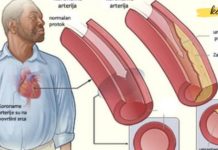
High blood pressure, or hypertension, is a condition in which the force of blood pushing against the artery walls is consistently too high. It is one of the most common cardiovascular issues worldwide. According to scientific reports, more than one billion people across the globe live with elevated blood pressure. Individuals with this condition are frequently advised to pay close attention to their diet, daily habits, and overall lifestyle, as these can significantly influence cardiovascular health.
Among natural ingredients believed in traditional practices to support healthy blood pressure, cumin seeds stand out. Cumin seeds are known to be a natural source of potassium—an essential mineral that helps the body maintain electrolyte balance. Potassium is important for regulating the body’s fluid balance as well as acid–base balance. It also plays a key role in supporting normal muscle and nerve function, including the contraction and relaxation of blood vessels. When blood vessels are relaxed, their resistance decreases, which can help lower the pressure exerted on arterial walls.
While cumin alone cannot treat or cure hypertension, many people incorporate it into their diets as part of a more heart-conscious lifestyle. Below are some traditional methods of consuming cumin that people use for general wellness.
How to Take Cumin Seeds to Support Healthy Blood Pressure Levels
There are two widely used traditional approaches:
1. Chewing whole cumin seeds
Chewing a small amount of dried cumin seeds is a common practice in many cultures. This method is believed to support digestive comfort, maintain a healthy potassium intake, and stimulate various beneficial plant compounds naturally present in cumin. Incorporating cumin into meals—whether whole, crushed, or ground—is also a convenient way to enjoy its flavor and potential wellness benefits.
2. Drinking cumin-infused water
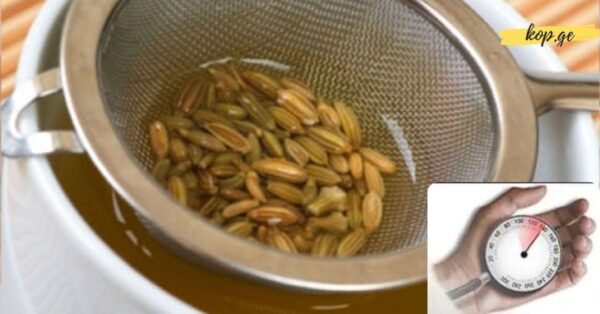
Another popular method involves mixing dried cumin seeds in warm water. People often let the mixture sit for several hours or overnight. Drinking this infusion on an empty stomach is a traditional practice aimed at supporting hydration, aiding digestion, and encouraging a gentle intake of the mineral content of the seeds. Although scientific research on cumin water is still limited, many individuals choose this method for its simplicity and refreshing taste.
3. Preparing cumin tea
Cumin tea, made by simmering the seeds in water, is another enjoyable way to consume the spice. The warm beverage is soothing, aromatic, and easy to prepare. Some combine cumin with other herbs—such as ginger, fennel, or lemon—to enhance flavor and create a calming, wellness-focused drink.
No matter which method is chosen, cumin is a versatile and aromatic spice that can be used regularly in cooking or as part of herbal infusions. These traditional uses aim to support overall wellbeing rather than replace medical treatments or professional advice.
Why People Value Cumin Seeds in Traditional Wellness Practices
Cumin has been used for centuries in various cultures—not only for its culinary importance but also for its place in natural and folk remedies. The seeds contain plant compounds such as antioxidants, flavonoids, and essential oils. These compounds are believed to contribute to digestive comfort, immune system support, and metabolic balance.
Additionally, cumin is often used in dishes to enhance flavor without relying heavily on salt. Reducing sodium intake while increasing the use of natural spices is a well-known strategy used in many diets designed to support heart health. In this way, cumin can be part of a more balanced and flavorful culinary approach.
A Note on Lifestyle and Health
While natural ingredients like cumin can be pleasant and potentially useful additions to one’s daily routine, high blood pressure is a medical condition that may require professional evaluation and management. Healthy habits—such as regular physical activity, balanced nutrition, stress reduction, weight management, and following medical guidance—remain essential components of long-term cardiovascular wellness.
Traditional remedies can complement, but never replace, the advice of a qualified healthcare provider. Anyone considering significant dietary changes or herbal practices, especially if they already have a diagnosed condition, should consult a medical professional.
About Kop.ge
Kop.ge is a platform that offers practical tips on health, self-care, and daily lifestyle practices. Our goal is to share information about natural remedies, home recipes, and simple techniques that may help improve wellbeing, enhance beauty routines, or simplify everyday tasks. Most importantly, these methods are designed to be applied at home, allowing readers to enjoy the process while also saving time and money.
The recipes and tips shared on Kop.ge are generally safe and natural. However, we always recommend consulting a medical professional before trying any remedy that is intended for health purposes, particularly for individuals with existing medical conditions.