



A very simple and surprisingly effective traditional folk remedy made from natural ingredients, believed to help support healthy blood pressure levels.
In many cultures, traditional medicine has long played an important role in everyday wellness. Long before modern medical treatments were widely available, people relied on natural ingredients—plants, herbs, and simple household components—to support their health and maintain balance in the body. Today, many of these traditions are still passed down through families, often serving as comforting rituals that complement professional care.
One such folk remedy uses a blend of pine needles, onion skins, and rose hips. Although this mixture comes from traditional practices and is not a replacement for medical treatment, many people prepare it as a natural drink intended to support the body’s general well-being.
A Traditional Remedy Made From Natural Ingredients
The preparation begins with:
5 tablespoons of fresh pine needles,
2 tablespoons of onion skins, and
2 tablespoons of rose hips.
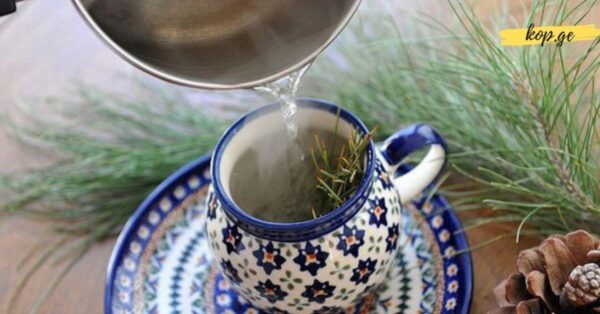
In traditional practice, all of these ingredients are placed into a pot and covered with 1 liter of cold water. The pot is then set on medium heat and brought to a gentle boil. Once the mixture reaches boiling point, the heat is lowered, and the pot is left covered to simmer for about 10 minutes. Afterward, the pot is removed from the stove and allowed to cool naturally.
In some families, additional water is added after cooking to adjust the concentration of the drink. The resulting decoction is usually consumed gradually over a two-day period. Traditional practitioners often recommend continuing this routine for several months, though modern health experts emphasize the importance of speaking to a doctor before trying long-term herbal treatments.
Stories within traditional communities suggest that some people begin to feel more energetic or experience fewer headaches after a few days of drinking the mixture. However, these impressions remain personal experiences rather than scientifically proven effects. For individuals dealing with hypertension or related conditions, medical supervision is essential, and no herbal mixture should replace prescribed medication without a doctor’s approval.
Why These Ingredients Are Used in Folk Medicine
Traditional healers often chose ingredients not only for their availability, but also for their perceived supportive qualities:
Pine needles have long been valued for their refreshing aroma and are believed to be rich in vitamins and natural antioxidants.
Onion skins, although usually discarded, contain natural pigments and compounds that people historically associated with circulation and vitality.
Rose hips are widely known for being rich in vitamin C and have been used in traditional medicine as a general tonic for the immune system.
Because of these characteristics, the mixture is often described as beneficial for general wellness. Traditional users say it may help the body feel stronger during seasonal changes, support immune function, and gently stimulate natural cleansing processes. It is also commonly mentioned in folk practices as a drink that may help with mild swelling, as rose hips and pine needles have been linked to gentle diuretic effects in some herbal traditions.
Again, it is important to distinguish between traditional beliefs and medical evidence. While these ingredients are natural and often used for wellness, people with chronic illnesses—especially those involving the heart or blood pressure—should always seek professional medical advice before trying new remedies.
Beyond Blood Pressure: Traditional Reasons for Consuming the Mixture
Many people who use this natural drink do so not only for blood pressure concerns but also for more general reasons. Some families say that the mixture helps them feel stronger during the colder months. Others use it as a comforting warm drink because they believe it helps ease tension or mild headaches. Traditional practices also mention its potential to support the gums and oral health, especially when people experience occasional bleeding.
These observations are part of long-standing cultural knowledge, shared over generations. While they are not scientifically confirmed treatments, they illustrate how deeply natural wellness traditions are woven into everyday life.
A Broader Philosophy of Natural Home Care
This approach to natural remedies reflects a wider philosophy embraced by platforms like kop.ge. Their goal is to provide accessible advice on health, beauty, and everyday activities—especially using natural, affordable, and easy-to-find ingredients. The idea is that wellness does not always require expensive procedures or specialized products; sometimes it can begin at home, with familiar plants and simple routines.
Many of the tips and recipes shared in such spaces become part of people’s daily habits. Some readers try them, notice positive experiences, and pass the knowledge along to friends, neighbors, or family members. In this way, traditional wisdom continues to thrive and helps people feel more connected to natural well-being.
However, kop.ge also emphasizes a crucial point: although natural remedies can be supportive, they should be used responsibly. Anyone considering a treatment for a health condition—especially something related to the heart, blood pressure, or chronic illness—should talk to a doctor first. Natural does not automatically mean safe for everyone; some herbs interact with medications or may not be suitable for specific individuals.
Final Thoughts
This traditional drink made from pine needles, onion skins, and rose hips is a beautiful example of how cultures have valued nature as a source of nourishment and balance. While it is not a medically proven cure and should never replace professional treatment for hypertension or other conditions, many people enjoy it as a natural beverage associated with wellness traditions.
Ultimately, the blend of modern medical knowledge and traditional practices offers a balanced path. By appreciating natural remedies while staying informed and consulting healthcare professionals, individuals can support their health safely, meaningfully, and responsibly.