




Asthma is, unfortunately, a condition that affects both adults and children, and managing it can be emotionally and physically challenging for any parent.
In my case, my child has been dealing with asthma symptoms for some time, and as a parent, I have always tried to learn more about supportive ways to bring comfort at home—in addition to the medical care provided by healthcare professionals. Among the natural remedies traditionally used in my family, coltsfoot leaves have been considered helpful for easing breathing discomfort. Below, I will share my experience, how this tradition is practiced, and why combining natural care with professional medical guidance is important.
Asthma in children can be particularly difficult to diagnose in its early stages. The condition develops gradually and tends to progress in phases, which means that parents may notice symptoms long before a formal diagnosis is made. Some of the common signs include difficulty breathing, persistent coughing, wheezing, or shortness of breath. These manifestations often appear during physical activity, exposure to cold air, allergens, or respiratory infections. Although every child experiences asthma differently, any breathing difficulty can be frightening—for both the child and the parent—so it becomes natural to seek out every possible way to ease the symptoms safely.
How I Manage My Child’s Symptoms at Home
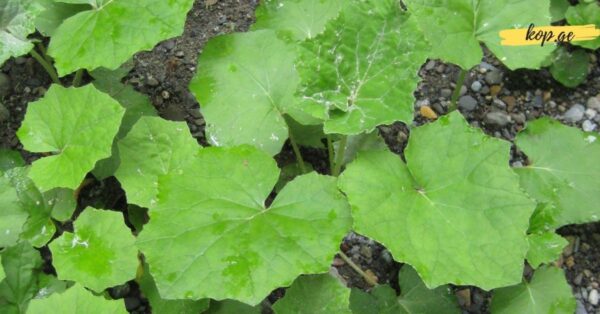
In my household, there is a long tradition of using natural plants for supportive care. One of the plants commonly used in our region is coltsfoot (known locally as “viristerfa”). While this plant has a long history in folk medicine, it is important to emphasize that it is not a replacement for professional asthma treatment. Instead, it has been used as a complementary method, something intended to bring comfort alongside the medications and recommendations from our doctor.
Traditionally, the preparation is done as follows: about forty coltsfoot leaves are soaked in half a liter of alcohol—preferably grape-based—for one night. After soaking, the leaves become soft and aromatic. According to folk practice, these prepared leaves are then placed on the child’s chest each evening until the supply is finished. Another version of the tradition alternates the placement: one evening on the chest, the next evening on the upper back between the shoulder blades, and then repeating this cycle.
This method has been handed down through generations as something believed to support easier breathing. However, it is essential to note that any parent considering natural remedies should always discuss them with a healthcare professional first, especially when dealing with chronic conditions like asthma. Children can have sensitive skin, allergic reactions, or specific medical needs that require caution.
Balancing Tradition With Modern Medical Understanding
While the use of coltsfoot is part of my family’s tradition, medical science reminds us that asthma is a serious respiratory condition that requires consistent and evidence-based treatment. Modern asthma care includes inhalers, preventive medications, regular check-ups, and careful monitoring of symptoms. Natural remedies may offer comfort or a sense of routine, but they should never replace professional care.
This is why I always emphasize that before trying any home remedy—including coltsfoot preparations—parents must consult a doctor. What works in a home-setting tradition may not be suitable—or even safe—for every child. Many natural plants contain active compounds that can have strong effects, interact with medications, or cause unexpected reactions. A healthcare professional can help evaluate what is safe and appropriate for each child’s individual condition.
Holistic Care at Home
Even though asthma management requires medical supervision, parents can still support their child’s comfort and health using simple, harmless home practices. These include:
Maintaining clean indoor air by reducing dust and allergens
Using humidifiers to ease dryness in the air
Supporting the child’s overall wellness with proper hydration and nutrition
Observing triggers and creating routines that minimize exposure
Teaching children gentle breathing techniques recommended by specialists
These approaches align well with the broader philosophy behind natural home care: helping the child feel calm, supported, and nurtured.
A Space for Everyday Wellness
The philosophy behind the platform kop.ge echoes this approach. It provides everyday tips on health, self-care, and simple natural methods that families can use at home. The goal is to offer information about natural remedies, beauty routines, and practical household advice—solutions that are affordable, accessible, and enjoyable to prepare. Many of these suggestions become part of people’s daily lives, shared from one household to another, creating habits that make day-to-day living easier and more balanced.
Importantly, although the recipes and tips shared on such platforms are generally safe, readers are always encouraged to consult a doctor before trying any new treatment—especially those intended for health conditions. Natural does not always mean medically suitable for everyone, and personalized medical advice remains essential.
Final Thoughts
As a parent, watching your child struggle with asthma is never easy. Seeking out every possible way to bring them comfort and relief is instinctive, understandable, and deeply human. While natural traditions—like using coltsfoot leaves—can feel meaningful or comforting, they should always exist alongside, not instead of, professional asthma treatment. By combining medical care with mindful, gentle home support, parents can create a healthy, safe, and nurturing environment for their child.