






5 Essential Vitamins and Minerals Women Need After Age 40

Vitamins and minerals are vital nutrients that our bodies require to function properly and stay healthy. The best way to obtain them is through a balanced, nutrient-rich diet. This becomes especially important after the age of 40, when the body begins to undergo significant changes. Metabolism slows down, muscle mass decreases, weight gain becomes more common, and the risk of chronic conditions such as diabetes, heart disease, and certain types of cancer increases.
While a healthy diet is crucial, supplementation can also play an important role in ensuring that women get the nutrients they need, particularly as absorption efficiency decreases with age. Below, we explore the most essential vitamins and minerals women over 40 should focus on to support long-term health.
1. Vitamin B12
Vitamin B12 is essential for maintaining proper brain function, energy production, and healthy red blood cells. In younger individuals, B12 is usually obtained through animal-based foods such as eggs, fish, poultry, and dairy products. However, after the age of 40 or 50, the stomach produces less acid, which can reduce the absorption of this vitamin from food.
Because of this, many women may need to consider supplementation. The recommended daily intake is about 2.4 micrograms. Vitamin B12 is water-soluble, which means that excess amounts are usually excreted through urine, reducing the risk of toxicity. Ensuring adequate B12 levels can help maintain cognitive health and prevent fatigue.
2. Calcium
Calcium is vital for maintaining strong bones, proper muscle function, and a healthy cardiovascular system. While calcium is absorbed efficiently in younger years, absorption decreases after age 30, making adequate intake critical for women over 40. Calcium also plays a role in nerve signaling, muscle contraction, and heart rhythm.
For women aged 40–50, the recommended daily intake is about 1,000 mg, and for those over 50, it rises to 1,200 mg per day. Foods rich in calcium include dairy products, broccoli, almonds, tofu, spinach, and sardines. It’s important to balance calcium intake because excessive supplementation in postmenopausal women may slightly increase the risk of cardiovascular issues.
3. Potassium
Potassium is a key mineral for maintaining balanced blood pressure and overall cardiovascular health. Studies suggest that higher dietary intake of potassium may reduce the risk of stroke and support proper heart function.
However, potassium supplementation should be approached with caution, as excessive intake can harm the heart and digestive system. Potassium-rich foods include bananas, beans, sweet potatoes, and other legumes. Consulting with a healthcare provider before starting supplements ensures safety and proper dosage.
4. Magnesium
Magnesium plays a crucial role in regulating blood pressure, supporting muscle and nerve function, and maintaining heart health. It also helps the body utilize calcium effectively and contributes to stable blood sugar levels. Magnesium deficiency is associated with increased inflammation and a higher risk of heart disease and diabetes.
For women over 40, a daily intake of approximately 320 mg is recommended. Good dietary sources include nuts, seeds, avocado, beans, and soy products. Excessive magnesium from supplements can cause side effects such as nausea, cramping, or diarrhea, so moderation is key.
5. Omega-3 Fatty Acids
Omega-3 fatty acids are essential fats that provide numerous health benefits, particularly for the brain and heart. They help reduce inflammation, lower LDL (“bad”) cholesterol, support healthy blood pressure, and may protect memory and cognitive function as we age.
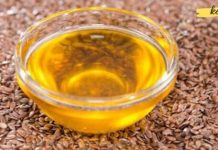
Foods rich in omega-3 include flaxseeds, leafy green vegetables, walnuts, and fatty fish such as salmon and mackerel. Supplements are also widely available. For general health, a daily intake of at least 500 mg is recommended. For heart disease prevention, 800–1,000 mg may be advised, and for elevated triglycerides, doses of 2,000–4,000 mg may be considered under medical supervision. Always consult a healthcare professional for the correct dosage.
6. Vitamin D
Vitamin D is particularly important for women over 40, as deficiency can increase the risk of multiple health issues, including osteoporosis, breast and colorectal cancers, diabetes, and heart disease. Vitamin D supports calcium absorption, immune function, and bone health.
While fortified dairy products and cereals provide some vitamin D, the best source is sunlight. However, it is important to practice safe sun exposure and use sunscreen to reduce the risk of skin damage. The recommended daily intake is approximately 600 IU of vitamin D3 for most adults and 800 IU for women over 50.
7. Probiotics
Probiotics are beneficial bacteria that play an essential role in gut health, weight management, and overall immunity. They may also help reduce the risk of certain chronic conditions such as diabetes, heart disease, and stroke.
Women over 40 can benefit from consuming probiotics through fermented foods such as yogurt, kefir, and fermented soy products. Probiotics also help maintain digestive health and support the immune system.
Conclusion
Maintaining optimal vitamin and mineral intake after age 40 is crucial for overall health, longevity, and quality of life. Key nutrients—Vitamin B12, Calcium, Potassium, Magnesium, Omega-3 Fatty Acids, Vitamin D, and Probiotics—play critical roles in supporting the heart, bones, brain, metabolism, and immune system.
A combination of nutrient-rich foods, safe supplementation, and lifestyle habits such as regular exercise and adequate sun exposure can help women navigate the changes that come with midlife. Prioritizing these essential nutrients can help maintain energy, cognitive function, and physical health, reducing the risk of chronic diseases and supporting a vibrant, healthy life after 40.