







Where Does True Aging Begin and How Can You Slow Down Irreversible Processes in the Body?
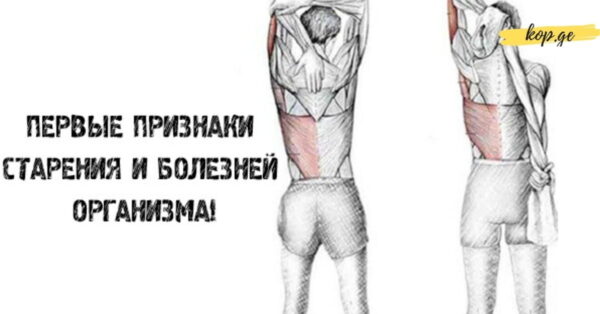
Modern society has largely accepted the fact that after the age of 30, physical activity and bodily flexibility tend to decline. But what exactly causes these age-related changes, and is it possible to slow them down or even prevent them? Understanding the mechanisms behind aging is crucial for anyone wishing to maintain vitality, mobility, and overall well-being as the years go by.
Why Do We Lose Flexibility?
Even in the last century, scientists developed the somatic theory, which posits that every stress, discomfort, or worry experienced from childhood onward leaves a lasting mark on our bodies. These experiences do not only affect our psyche—they also influence our muscles and joints, which respond with involuntary or reflexive contractions.
The most frustrating part is that we cannot simply relax these contractions at will. As a result, by the age of thirty—and sometimes even earlier—many people have forgotten what it feels like to move freely. This phenomenon has a specific term: sensorimotor amnesia. It is largely responsible for the false perception of aging, manifesting as reduced elasticity in muscles and ligaments, spinal misalignment, chronic joint pain, and stiffness.
Flexibility loss is not only an external problem. Internally, it can lead to impaired blood circulation, which directly affects metabolism and increases susceptibility to various diseases.
The Modern Lifestyle and Physical Decline
The decline in flexibility and physical performance is closely linked to the sedentary lifestyles of modern people. Millions of individuals spend 8–10 hours a day seated at computers in offices, often maintaining the same posture for hours on end. Daily fatigue discourages even simple movement, such as taking the stairs instead of an elevator. Without regular physical activity, muscles weaken, lose mobility, and joints stiffen.
The younger generation is observing this as well, growing up with the impression that declining health and a lack of bodily strength are standard milestones of life. Yet, flexibility loss is actually one of the earliest indicators of aging and the onset of disease.
Simple Test for Flexibility
Here is a simple test to gauge your flexibility: After warming up for five minutes, try to bend forward and touch your toes with straight legs, keeping your back straight rather than bending your knees. If you are over 50 and can do this easily, your flexibility is excellent.
Stretching exercises help restore natural flexibility and improve overall health by increasing oxygen supply to muscles and removing waste products. Stronger bones and ligaments, improved posture, and reduced risk of osteoporosis, hypokinesia, and high blood pressure are all benefits of maintaining flexibility.
Interestingly, people who are flexible often appear energetic and cheerful, even if they are physically tired, while someone with strong muscles but poor flexibility may seem lethargic or even depressed. Flexibility is a learned skill, and with consistent effort, it is possible to achieve significant results and maintain them well into mature age. The key requirement is regular, persistent practice.
How to Stretch Correctly
Proper stretching is essential to prevent injury and achieve maximum benefits. Here are the main guidelines:
Warm-Up First: Never start stretching without warming up your muscles for 10–15 minutes. Light aerobic activity such as jogging, jumping, or squats is sufficient. Avoid overstretching cold or fatigued muscles, as they may not respond well.
Combine Techniques: Use both static and dynamic exercises (like swings and lunges), but avoid putting excessive strain on your spine.
Maintain Proper Posture: Always keep your back straight to prevent injuries.
Protect Your Joints: Never lock your knees completely when bending forward—keep them slightly bent to protect your lower back.
Repetition and Duration: Start each exercise with 8–10 repetitions or hold a stretch statically for 30 seconds. Avoid pain or severe discomfort.
Focus on Targeted Muscles: Concentrate on the muscle being stretched and consciously relax it during the exercise.
Breathing Matters: Inhale from the starting position and exhale while stretching.
Move Slowly: Enter and exit each stretch gradually to prevent injury.
Increase Intensity Gradually: Avoid rushing or expecting immediate results. Progress takes time.
Consistency is Key: Perform stretching exercises daily and enjoy the process—flexibility is not built overnight.
Additional Tips for Slowing Aging
Maintain Regular Movement: Aside from structured exercises, try to walk, take stairs, and move throughout the day. Even small bursts of activity improve circulation and metabolism.
Mind Your Posture: Avoid prolonged sitting with crossed legs, which restricts blood flow.
Elevate Your Legs: Lying down with legs raised for 10 minutes daily helps return blood to the heart and reduces strain on veins and joints.
Stay Mentally Active: Cognitive exercises and mindfulness contribute to overall vitality.
Avoid Harmful Habits: Smoking, excessive alcohol, and chronic stress accelerate the aging process.
The Bottom Line
True aging begins when flexibility, mobility, and the body’s natural resilience start to decline. This process can often be delayed or even partially reversed through proper stretching, regular physical activity, and mindful lifestyle habits. Sensorimotor amnesia, poor circulation, and reduced metabolic efficiency are not inevitable; they are consequences of inactivity and stress that can be actively addressed.
By investing just a few minutes daily in stretching and movement, you can maintain muscle elasticity, improve joint function, support healthy circulation, and prevent many age-related ailments. Flexibility is more than just physical capability—it affects your mood, energy, and overall quality of life.
Before starting any new exercise program, consult your doctor to ensure safety. With persistence, patience, and consistency, you can restore and preserve your body’s flexibility, vitality, and confidence for many years to come.
Remember: True aging is not inevitable—it’s a process you can influence. Flexibility is your first line of defense against the physical and psychological signs of aging.