







Fix Poor Circulation in Less Than 20 Minutes!
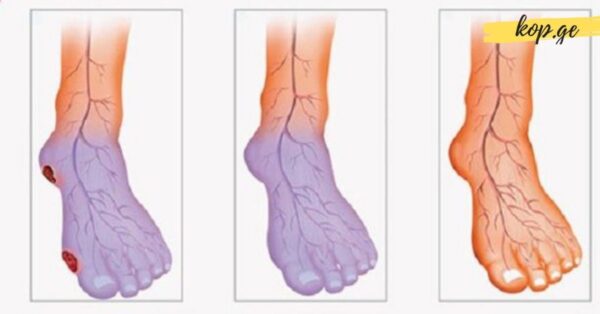
If your hands or feet are constantly cold, it could be a sign of poor circulation. This condition is familiar to many people, and unfortunately, it tends to worsen with age. Poor circulation can lead to serious health issues, such as heart attacks, strokes, blood clots, and varicose veins. One of the most common causes of circulation problems is an unhealthy diet and lifestyle. In other words, our bodies are deprived of proper nutrition and physical activity, which can significantly affect blood flow.
But the problem doesn’t stop there. Poor circulation also leads to a range of other health issues. Not only do your tissues miss out on essential oxygen and nutrients, but your blood also becomes overloaded with fats and cholesterol, which gradually block your arteries.
The good news is that with the right exercises, combined with a well-balanced diet, you can significantly improve circulation in the shortest time possible. Below are some simple yet effective exercises that will help stimulate blood flow and promote better health.
1. Stretching
According to health experts, stretching is the first thing you should do when you wake up in the morning. It only takes a few minutes, but it’s incredibly effective in boosting circulation at the start of your day.
Here’s an easy stretch to try:
Stand up straight.
Lift your heels, standing on your toes.
Reach your arms up towards the sky and stretch your body as much as possible.
Hold this position for 2-3 seconds and repeat 10 times.
This exercise helps activate your muscles, improves blood flow to your extremities, and helps prepare your body for the day ahead.
2. Foot Rotations
This simple yet powerful exercise works wonders for your circulation. It’s easy to do, and you can perform it anywhere, even while sitting at your desk.
To do foot rotations:
Sit comfortably in a chair.
Lift one foot off the ground and rotate it clockwise in a circular motion.
Repeat this 10 times on each foot.
Switch directions and repeat for another 10 times.
This exercise doesn’t just enhance circulation—it also strengthens the muscles in your legs, particularly your calves, which helps improve overall blood flow in your lower body.
3. Walking
Walking is one of the most beneficial exercises for improving circulation. It’s gentle on the joints, increases blood flow throughout the body, and can even help reduce hypertension. It’s an excellent low-impact exercise that you can easily incorporate into your routine.
Start with short walks:
Begin by walking for just 10-15 minutes a few times a week.
Gradually increase the frequency and duration as your body adapts.
Walking helps improve blood circulation, especially in the legs, and can even help alleviate pain or swelling in the lower extremities.
4. Swimming
Swimming is another fantastic exercise for improving circulation. It’s an enjoyable full-body workout that engages all your muscles, improves oxygen delivery to the heart and lungs, and helps ease joint pain. Plus, it’s great for all ages and fitness levels.
If you have access to a pool, try swimming several times a week. The water resistance provides an excellent workout for your muscles and stimulates blood flow throughout your body. It also provides relief for sore muscles and reduces the strain on your joints.
5. Yoga
Yoga is a wonderful practice for enhancing circulation, as it combines breathing techniques with gentle movements that promote blood flow to all parts of the body. Many yoga poses help improve oxygen concentration in the blood, encourage relaxation, and increase the flow of blood to key areas, including the brain and heart.
Practicing yoga regularly can significantly improve circulation by helping to expand blood vessels and reduce stress. Some yoga poses that can help stimulate circulation include the downward dog, forward fold, and the cat-cow stretch.
6. Cycling
Cycling is an excellent exercise for boosting circulation, especially in the lower body. It helps strengthen the heart and increases the blood flow to the legs, feet, and lower extremities. Cycling improves overall cardiovascular health and supports healthy circulation.
Whether you use a stationary bike or go for a bike ride outdoors, cycling is a low-impact exercise that helps stimulate circulation in the legs while also giving your heart a great workout.
7. Dancing
Last but not least, dancing has become increasingly popular as a form of therapy to relieve stress and improve circulation throughout the body. When you dance, you engage almost every muscle, helping to boost blood flow and improve overall circulation.
Dancing is not only fun, but it’s also great for enhancing your cardiovascular health. It helps your blood circulate more freely throughout the body, reduces stress, and increases overall energy levels. Whether you’re doing a structured dance routine or just moving to your favorite music, dancing is a fun and effective way to keep your blood flowing.
How to Boost Circulation—Additional Tips:
In addition to regular exercise, there are a few other strategies you can incorporate into your daily routine to further enhance circulation:
Hydration: Drinking plenty of water helps keep your blood thin and prevents it from becoming thick and sluggish, which can impede circulation. Aim to drink at least eight 8-ounce glasses of water daily.
Massage: Getting a gentle massage, particularly in areas where you experience poor circulation, can stimulate blood flow. You can also use tools like foam rollers or massaging devices to enhance circulation at home.
Elevating Legs: If you experience swelling or discomfort in your legs, try elevating them above the level of your heart for 15-20 minutes. This encourages blood to flow back to the heart and reduces swelling.
Diet: Eating a healthy, balanced diet is essential for maintaining good circulation. Foods rich in omega-3 fatty acids (like fish and flaxseeds), antioxidants (like berries and leafy greens), and vitamins (like vitamin E and C) help to improve blood vessel health and reduce inflammation.
Conclusion
Poor circulation is a common issue that can cause discomfort and lead to more serious health problems over time. However, by making simple lifestyle changes, including regular physical activity and a healthy diet, you can significantly improve your circulation in as little as 20 minutes a day.
Try incorporating these exercises into your routine, and don’t forget to share this information with your friends and family. Together, you can all work towards better circulation and healthier lives!